Exploring the Importance of Blue Pearl Appraisal in Jewellery Valuations

Blue/Gray Pearls

What is a Jewellery Valuation?

A jewellery valuation is an expert-assessed document that determines the monetary value of a specific jewellery item at a given time. It typically includes details such as:
– A full description of the item (materials used, design features, gemstone characteristics)
– The current market value or replacement price
– Photographic evidence for documentation

In the context of blue pearls, valuations also take into account factors like origin, colour consistency, lustre quality, size uniformity, and craftsmanship.

Why Are Jewellery Valuations Important?

  1. Insurance Protection
    Accurate valuations ensure that your blue pearl pieces are adequately insured against loss or damage. Without an up-to-date valuation report reflecting accurate market trends, there’s a risk of underinsuring your most cherished possessions.
  2. Resale Purposes
    If you ever decide to sell your blue pearl jewellery, having a certified valuation can enhance buyer confidence and help you secure fair market value.
  3. Estate Distribution
    In cases where family heirlooms need to be distributed among beneficiaries or auctioned as part of an estate sale, proper documentation ensures transparency and fair division.
  4. Authentication
    A professional valuation also serves as evidence of authenticity by providing key details about your item’s origin and quality characteristics.

What Does a Blue Pearl Jewellery Valuation Cover?

Key Elements Considered During Blue Pearl Valuation Description
Lustre Quality The reflective sheen on the surface is one of the most defining features for assessing value.
Colour Intensity Rich blues with minimal overtones or blemishes fetch higher valuations.
Pearl Size & Shape Uniformity Round and symmetrical pearls tend to have greater worth in comparison to irregular shapes.
Surface Condition Surface spots or texture flaws can significantly lower valuation figures.
Craftsmanship & Setting Materials The skill involved in crafting jewellery settings (e.g., gold vs platinum) impacts overall appraisal results.

Finding Trusted Professionals

  • Consult with experienced gemologists certified by bodies like GIA (Gemological Institute of America) or IGI (International Gemological Institute).
  • Make sure appraisers have specific expertise in handling rare gems such as South Sea Blue Pearls or Tahitian variants.
  • Keep records updated every 3–5 years as markets fluctuate—especially for high-value items like antique pieces.

Properly understanding how professional appraisals work not only enhances financial clarity but also underscores responsibility toward preserving investments tied to fine jewellery collections involving rare gems like blue pearls.

How to Determine the Blue Pearl Worth and What Influences It

The value of blue pearl jewellery is determined by a combination of intrinsic and extrinsic factors. These factors encompass the characteristics of the pearl itself, the craftsmanship involved in creating the jewellery, and market conditions. Understanding these elements can help buyers and collectors make informed decisions when purchasing or valuing blue pearl pieces.

Key Factors Affecting Blue Pearl Value

  1. Colour
    Blue pearls are treasured for their distinctive hue, which ranges from light silvery blue to deep, rich shades of indigo. The intensity and uniformity of the colour significantly impact their value. Pearls with a vibrant and even tone are considered more desirable. Subtle overtones, such as hints of lavender or green, may further enhance their appeal.
  2. Lustre
    Lustre refers to the quality and intensity of light reflected from a pearl’s surface. The more brilliant and mirror-like the lustre, the higher its value. High-lustre blue pearls exhibit a radiant glow that enhances their aesthetic appeal.
  3. Size
    Larger pearls are generally more valuable due to their rarity. For blue pearls, sizes typically range between 8mm to 16mm in diameter. Pearls closer to or exceeding 14mm tend to command premium prices.
  4. Surface Quality
    The presence of blemishes or imperfections on a pearl’s surface can lower its value. Clean pearls with minimal flaws are highly sought after by both jewellers and collectors.
  5. Shape
    Round pearls are traditionally prized for their symmetry; however, baroque (irregularly shaped) blue pearls have gained popularity for their unique appearance. While round shapes carry a higher traditional valuation, baroque styles attract niche markets due to their individuality.
  6. Origin
    The geographic origin plays an important role in determining value. South Sea blue pearls or those cultured in French Polynesia tend to fetch higher prices due to superior cultivation practices and environmental conditions.
  7. Craftsmanship
    The design and creation process can greatly enhance the overall worth of blue pearl jewellery pieces:
  8. Handmade designs by renowned artisans add exclusivity.
  9. High-quality settings using precious metals like platinum or gold elevate perceived value.
  10. Market Trends & Demand
    Consumer preferences influence pricing significantly:
  11. Seasonal trends may impact demand for specific shades.
  12. Limited-edition collections often drive higher valuations.

Table: Overview of Key Factors

Factor Impact on Value
Colour Richer hues increase desirability
Lustre Brighter reflections signify higher quality
Size Larger sizes fetch premium prices
Surface Quality Fewer blemishes lead to better valuations
Shape Perfectly round shapes have traditional appeal
Origin Cultivation location contributes to exclusivity
Craftsmanship Skilled artisanship adds significant worth

Final Thoughts on Valuation Dynamics

When evaluating blue pearl jewellery, it is essential to consider all influencing factors collectively rather than individually focusing on one aspect like size or colour alone. A piece’s true worth lies in how these characteristics harmoniously blend together alongside market perceptions and trends at any given time—making professional appraisals invaluable during purchase or resale processes.

Understanding Blue Pearl Valuation Insights and Their Impact on Precious Stone Appraisals

Jewellery valuations are a critical aspect of understanding the true worth of precious stones, including blue pearls. Whether it’s for insurance purposes, resale, or estate planning, proper valuations ensure that the intrinsic and market value of your jewellery is accurately assessed. For blue pearl enthusiasts and collectors, this process is especially vital given the unique properties and rarity these pearls possess.

Why Jewellery Valuations Matter

  1. Insurance and Security
    A precise valuation offers protection in the unfortunate case of loss, theft, or damage. Insurers often require up-to-date valuations to determine an appropriate replacement value for your blue pearl jewellery.
  2. Resale Value
    Should you choose to sell or trade your blue pearl piece in the future, knowing its current market value can help you secure a fair price in line with industry trends.
  3. Estate Planning and Inheritance
    Properly valuing your jewellery ensures that assets are divided equitably among heirs or included accurately in wills.
  4. Investment Tracking
    Blue pearls can appreciate in value over time depending on factors such as rarity and demand. Regular valuations allow investors to track their asset growth effectively.

The Process of Jewellery Valuation

Factor Description
Rarity The availability of natural blue pearls significantly impacts their market value.
Quality Evaluations of luster, surface quality, size, and shape play a pivotal role in determining worth.
Provenance Items with verified origins or unique history often attract higher values.
Market Trends Demand within the global luxury market influences pricing fluctuations over time.
Craftsmanship The skill involved in creating the jewellery setting adds additional value.

How Often Should You Get Your Jewellery Valued?

Experts recommend getting high-value pieces such as blue pearl jewellery appraised every 2-3 years due to shifting market dynamics and inflationary changes in replacement costs.

Choosing a Qualified Appraiser

  • Look for memberships with authoritative bodies like the Gemological Institute of America (GIA) or National Association of Jewellers (NAJ).
  • Ensure they specialize in luxury pearls or fine jewellery appraisal.
  • Verify that their methods meet international industry standards regarding grading systems.

Regular valuations not only authenticate your pieces but also provide peace of mind by preserving their legacy and financial integrity throughout generations.

Amazon.com: Anezus 2205Pcs Blue Pearls for Craft, Assorted Sizes Fake Pearl Beads, Sew on Pearls, Bulk Loose Pearl Beads with Holes for Jewelry Making, Bracelets, Necklaces, Hairs, Decoration, Vase Filler : Arts,

Understanding the Key Factors That Affect Antique Blue Pearl Jewellery Value

Antique blue pearl jewellery holds a special place in the world of luxury and collectibles. Its rarity, history, and aesthetic appeal make it desirable for collectors and enthusiasts alike. However, determining its value requires an in-depth understanding of specific key factors. Below is a detailed exploration of these factors that influence the worth of antique blue pearl jewellery.

1. Rarity and Provenance

  • Rarity: The scarcity of natural blue pearls significantly impacts their value. Antique pieces featuring blue pearls from natural sources such as Pinctada margaritifera (black-lipped oysters) or other rare mollusks are highly sought after.
  • Provenance: A well-documented history or origin adds immense value to antique jewellery. For instance:
    • Pieces with royal or celebrity ownership
    • Jewellery crafted by historically renowned artisans or brands
    • Items originating from specific time periods like the Victorian or Art Deco era

2. Condition of the Jewellery

  • The condition directly influences both intrinsic and market value.
  • Factors to assess:
    • Presence of chips, cracks, or discoloration on the pearls
    • Integrity of settings (e.g., gold, platinum, or silver frameworks)
    • Wear and tear on clasps, chains, or other structural components

Preserving antique items in optimal condition enhances their long-term value.

3. Size and Shape

  • Larger pearls generally command higher prices due to their rarity.
  • Perfectly round pearls are considered the most desirable shape for traditional aesthetics; however, baroque-shaped pearls might appeal to niche collectors due to their uniqueness.
Pearl Size (mm) Relative Value Impact
Below 5mm Moderate
6-9mm High
Above 10mm Premium

4. Lustre and Surface Quality

The lustre (the way light reflects from a pearl’s surface) is a critical determinant for assessing quality: – Pearls with a sharp and mirror-like lustre tend to be more valuable. – Surface imperfections such as spots or ridges can detract from overall worth but may add character in some antique pieces.

5. Colour and Tone

Blue pearls’ unique hues—ranging from pale aquamarine shades to deep cobalt tones—add significant value. Evaluators often analyze: – Intensity: Richer tones are more coveted. – Overtone: Subtle secondary colours like silver or lavender enhance depth.

Collectors often prefer consistent tones across all pearls within a piece.

6. Market Trends

Market trends can also influence valuation: * Vintage-inspired designs have grown popular in recent years. * Demand among collectors both regionally and globally fluctuates based on auctions, exhibitions, or cultural shifts.

Understanding these factors ensures informed decisions regarding appraisals, sales, purchases, or preservation efforts for antique blue pearl jewellery pieces. By paying close attention to provenance, condition, size metrics, and market insights discussed here, one can better appreciate what makes these timeless treasures so valuable.

The Importance of Expert Care and Specialist Cleaning for Luxury Blue Pearl Jewellery

Luxury blue pearl jewellery is not just a financial investment but also an object of beauty, sentiment, and heritage. Caring for such fine pieces requires a thoughtful approach to preserve their luster, structural integrity, and value over time. Regular cleaning using the right techniques can make a significant difference in maintaining the elegance of blue pearls and ensuring their long-term appeal.

Why Specialist Care is Essential

  • Surface damage such as scratches or abrasions
  • Loss of lustre due to exposure to harsh chemicals
  • Degradation caused by improper storage or environmental factors

To mitigate these risks, specialist care should be prioritized over generic jewellery cleaning methods. Expert jewellers use tailored techniques that ensure the pearl’s nacre (the iridescent outer layer) remains intact while enhancing its natural sheen.

General Tips for Blue Pearl Jewellery Maintenance

  1. Avoid Harsh Chemicals: Pearls are particularly vulnerable to substances like perfume, hairspray, and household cleaners. Always apply such products before wearing your jewellery.
  2. Store Properly: To prevent scratches or damage from harder gemstones in your collection, store blue pearls in soft pouches or separate compartments within a jewellery box.
  3. Clean Gently: Use lukewarm water and mild soap with a soft cloth for periodic cleaning. Never soak pearls, as prolonged exposure to water can weaken the adhesive holding them in place on strands.
  4. Wear Often but Wisely: Pearls benefit from natural oils found on skin; wearing them helps maintain their moisture balance. However, avoid wearing them during activities like swimming or exercising.

Benefits of Professional Cleaning Services

Feature Benefit
Ultrasonic Expertise Safe removal of dirt without damaging the surface.
Specialist Polishing Restores the natural shine while preserving nacre layers.
Inspection Services Identifies potential issues such as loose settings or thinning strands early on.

These services not only rejuvenate your pearl jewellery but also extend its lifespan significantly.

Long-Term Preservation with Regular Assessments

In addition to cleaning services, regular assessments by an expert jeweller can help pinpoint any structural concerns—such as weak clasps or wear along stringing materials—that may compromise durability over time. A professional might recommend restringing necklaces every few years if strands start showing signs of fraying.

Properly maintaining luxury blue pearl pieces demonstrates a deep appreciation for their artistry while ensuring they remain timeless treasures for future generations.

Enhancing and Preserving the Beauty of Your Blue Pearls Investment

Blue pearl jewellery is not only a symbol of elegance but also a valuable asset that can appreciate over time, provided it is preserved and cared for properly. By taking deliberate steps to maintain your blue pearls, you can safeguard their beauty and ensure their value remains intact for years to come. Below, we explore practical strategies to protect and enhance your investment in blue pearls.

Proper Storage Techniques

  • Use a soft-lined jewellery box: Always place blue pearls in a box lined with soft fabric to prevent scratching or surface damage.
  • Avoid direct contact with other jewellery: Pearls are delicate; storing them alongside harder gemstones or metals can cause abrasions. Use small pouches or compartments for separation.
  • Keep away from heat and sunlight: Prolonged exposure to direct sunlight or high temperatures can cause pearls to crack or fade over time.

Regular Maintenance Practices

  1. Wipe after each use: Use a soft, damp cloth to gently clean the surface of your pearls after wearing them, removing any oils, dirt, or perspiration that may have accumulated.
  2. Restringing for necklaces: If you own pearl necklaces or bracelets, consider having them restrung every 1–2 years by a professional jeweller using silk thread. This prevents wear on the string and reduces the risk of breakage.

Avoiding Common Damaging Factors

  • Chemicals from cosmetics: Perfumes, hairsprays, lotions, and makeup often contain chemicals that can erode the nacre (the outer layer) of pearls. Apply these products before wearing your jewellery.
  • Cleaning agents: Harsh cleaning products should never come into contact with pearls as they are highly sensitive to acids and abrasives.
  • Humidity levels: Excessive dryness or high humidity can affect the structural stability of pearls. Store them in an environment with balanced moisture levels.

Professional Cleaning Services

Frequency Type of Jewellery Recommended Action
Every 6 months Daily-wear pieces Professional cleaning by an expert jeweller
Annually Rarely-worn statement items Comprehensive inspection & restoration

Specialist jewellers have tools designed specifically for handling delicate materials like pearls without compromising their structure.

Enhancing Value Through Appraisals

Routine appraisals by certified professionals help track changes in market value while ensuring accurate insurance coverage. Key reasons for conducting regular valuations include:
– Verifying authenticity through detailed analysis
– Establishing up-to-date replacement value
– Identifying areas needing repair or improvement

By combining proper care techniques with regular appraisals and professional services, you’ll preserve not only the aesthetic charm but also the financial worth of your cherished blue pearl investment effectively over time.

Niziky 1500PCS Pearls Beads for Jewelry Making, Blue 4mm Loose Spacer Round Pearls Beads with Hole, faux Pearls Beads for Bracelets Necklace Crafts, Vase Filler, Home Decorations : Buy Online at Best

Understanding Blue Pearl Valuation and What Makes These Gems So Unique

Blue pearls, with their captivating hues and unique qualities, stand out as some of the most sought-after gems in the jewellery world. Their rarity, natural beauty, and cultural significance contribute to their value. This section delves into the unique characteristics that make blue pearls highly desirable and examines why they continue to captivate collectors and enthusiasts alike.

1. Natural Rarity

Blue pearls are incredibly rare compared to other pearl varieties. Their distinct coloration is often a result of specific environmental factors and the type of mollusk that produces them. This rarity significantly increases their desirability among jewellery connoisseurs.

  • Source: Blue pearls are often sourced from certain species of oysters or mussels, such as the black-lipped oyster (Pinctada margaritifera) or abalone.
  • Geographical Influence: They are primarily harvested in limited regions, including French Polynesia, New Zealand, and parts of Japan.

Due to these factors, obtaining authentic blue pearls requires expertise and access to specialized suppliers.

2. Unique Coloration

The color spectrum of blue pearls ranges from soft pastel blues to deep cobalt tones. These colors may include overtones of silver or green that enhance their visual appeal.

  • Overtone Variations: Blue pearls often exhibit iridescence due to light refracting through layers of nacre.
  • Natural vs Dyed: While there are dyed blue pearls on the market, natural ones are far more valuable due to their authenticity.

Buyers should be cautious about distinguishing between natural colors and artificially enhanced ones when purchasing high-value blue pearl jewellery.

3. Lustrous Surface Quality

One hallmark feature of blue pearls is their lustre—a mirror-like surface sheen that reflects light beautifully. High-quality specimens boast exceptional lustre alongside smooth surfaces with minimal blemishes.

Surface Quality Grade Description Impact on Value
AAA High lustre with no blemishes Very high
AA Moderate lustre with minor flaws Medium-high
A Low lustre with visible imperfections Lower

When assessing value, lustrous finish plays a significant role in determining price and desirability.

4. Cultural Significance

  • Wisdom & Intuition: Often associated with these qualities in spiritual beliefs.
  • Royalty & Prestige: Historically worn by royalty as symbols of wealth and power.

These attributes enhance both their aesthetic appeal and sentimental value for buyers seeking meaningful investments.

5. Sustainable Production Practices

  • Environmentally friendly farming methods protect marine ecosystems.
  • Some premium blue pearl farms adhere strictly to ethical standards in mollusk care and harvesting practices.

Buyers increasingly value knowing their jewellery supports responsible sourcing initiatives.

By understanding these distinctive traits—ranging from rarity to sustainability—blue pearls emerge as timeless treasures worth appreciating for generations. Their unique combination of aesthetic allure and cultural significance continues to make them one-of-a-kind gems in luxury markets worldwide.
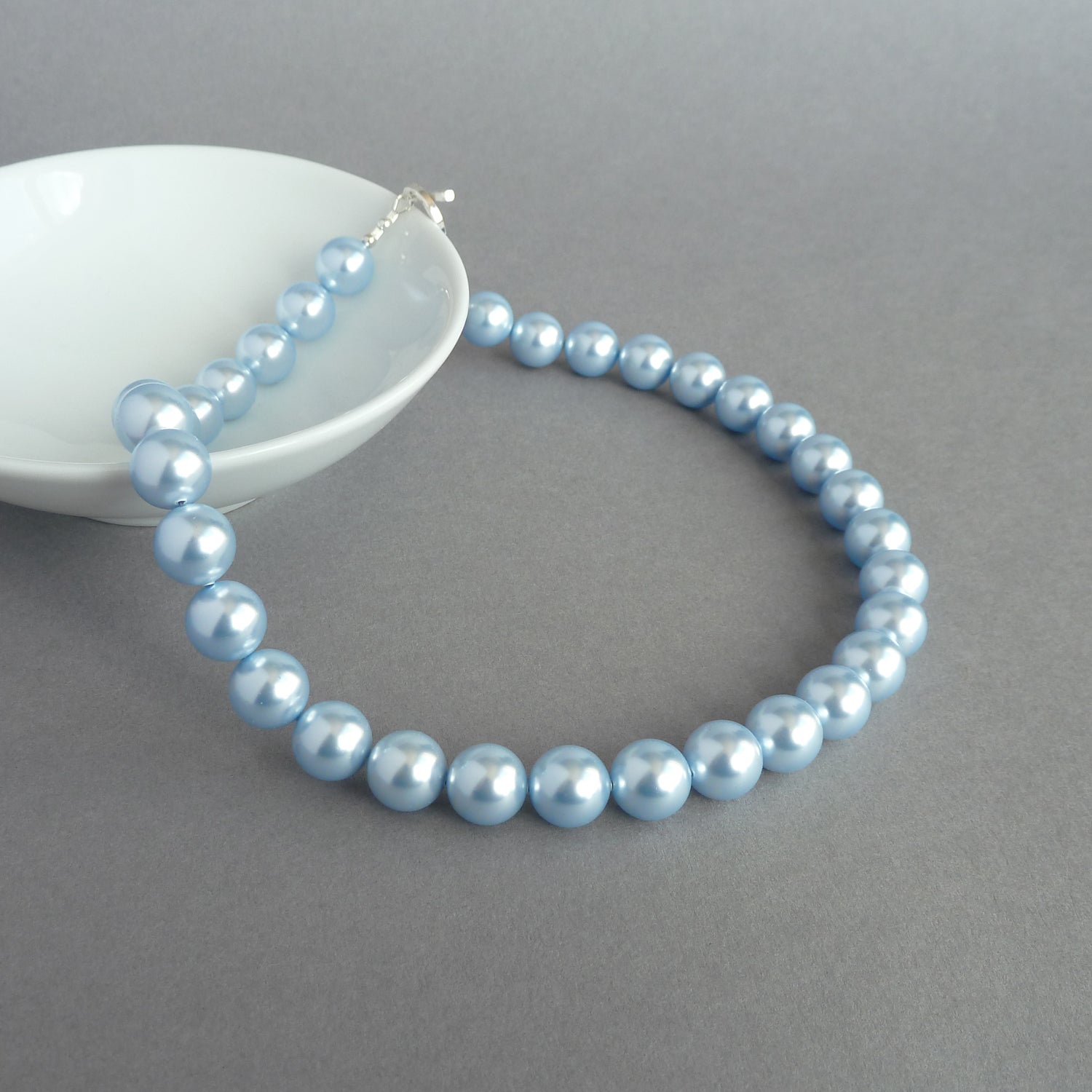
What Are Blue Pearls and Their Unique Characteristics

Chunky Light Blue Glass Pearl Jewellery Set - Baby Blue, Single Strand –  Anna King Jewellery

Blue pearls are a rare and captivating type of pearl, celebrated for their enchanting hues and unique attributes. Unlike traditional white or cream-colored pearls, blue pearls stand out due to their distinct coloration, which can range from soft, subtle blues to deep, striking shades. These natural gems are not only prized for their beauty but also for the rarity that makes them a desirable choice for jewelry enthusiasts and collectors alike.

What Are Blue Pearls?

Blue pearls are organic gemstones formed within mollusks (such as oysters or mussels) when an irritant becomes trapped inside the shell. This natural process triggers the secretion of nacre (a combination of calcium carbonate and conchiolin), which layers over time to create the pearl. The blue coloration can occur naturally due to specific environmental factors or genetic characteristics of the mollusk producing the pearl.

There are several sources of blue pearls, including:
Akoya Pearls: Known for their smaller size and fine luster, some Akoya pearls develop stunning light blue tones.
Tahitian Pearls: Often called black-lipped pearls, Tahitian varieties can exhibit deep blue shades with overtones of green or gray.
South Sea Pearls: Although rarer in blue hues, South Sea pearls occasionally display this coloration alongside their signature creamy tones.

Unique Characteristics of Blue Pearls

  1. Blue is among the rarest colors found in natural pearls.
  2. Their hues can vary depending on environmental conditions like water temperature and diet of the mollusk.
  3. High-quality blue pearls often display an iridescent sheen, reflecting light beautifully.
  4. This luster adds depth to their appearance and enhances their overall elegance.
  5. Many blue pearls feature secondary overtones such as silver, lavender, or green that contribute to their unique appeal.
  6. These overtones give each pearl its individual character.
  7. Each blue pearl is individually shaped by nature, making no two identical.
  8. Surface imperfections may occur but often add charm rather than detract from value.

Table: Key Attributes of Blue Pearls

Feature Description Importance
Color Ranges from pale sky-blue to rich cobalt Defines rarity and aesthetic
Luster High-quality nacre creates a luminous surface sheen Enhances elegance
Overtones Secondary hues like silver or lavender highlight uniqueness Adds visual depth
Size Typically varies depending on mollusk type Larger sizes increase value
Shape Rounder shapes are rarer; baroque forms offer distinctive appeal Impacts desirability

Overall, blue pearls embody a harmonious combination of rarity, natural beauty, and craftsmanship when used in jewelry pieces such as necklaces, earrings, bracelets, or rings. Their uniqueness lies not only in their striking appearance but also in the organic process through which they are formed—making them timeless treasures revered by collectors worldwide.

How Blue Pearl Valuation is Determined: Key Factors to Know

The value of blue pearls is determined by a variety of factors that contribute to their uniqueness and desirability. From their rarity to physical characteristics, each element plays a vital role in assessing their market price. Below is an in-depth look at these key factors.

1. Rarity

Blue pearls are significantly rarer than other types of pearls, which naturally increases their value. These gems are often found as Tahitian or South Sea pearls, though the distinctive blue hue can also occur in freshwater varieties. Their rarity makes them highly sought after by collectors and enthusiasts alike.

2. Color

The shade and intensity of the blue color greatly influence the pearl’s value. Blue pearls come in a range of hues, from light sky blue to deep peacock tones with overtones of green or silver. Pearls with vivid, evenly distributed colors tend to command higher prices.

Color Grading Table for Blue Pearls
Shade Description Value Impact
Light Blue Soft, pastel tones Moderate
Deep Blue Rich, intense hue High
Peacock Blue Multi-tonal (blue with green/silver) Very High

3. Luster

Luster refers to the reflective quality and brilliance of a pearl’s surface. A high-luster blue pearl appears bright and mirror-like, which enhances its beauty and value. Dull or chalky surfaces generally decrease a pearl’s worth.

Key aspects influencing luster include: – Nacre thickness: Thick nacre usually results in better luster. – Surface smoothness: Fewer blemishes improve reflectivity.

4. Size

The size of blue pearls significantly affects their pricing structure. Larger pearls are typically more valuable because they are rarer and require longer cultivation periods for oysters to produce them.

Approximate Size-to-Value Correlation
Pearl Diameter (mm) Relative Value
Under 8mm Low to moderate
8-10mm Moderate
Over 10mm High

5. Shape

While round pearls remain the most valuable due to their symmetry, baroque shapes (irregular forms) can also attract considerable attention among buyers who appreciate unique designs.

Shapes ranked by desirability: – Perfectly round: Premium pricing. – Near-round: Slightly lower but still valuable. – Baroque: Unique appeal but less traditional value.

6. Surface Quality

Surface imperfections such as spots, ridges, or pits impact the overall value of a blue pearl. The fewer blemishes present on a pearl’s surface, the more desirable it becomes.

Standard Grading System for Surface Quality
Grade Characteristics
Flawless/Very Clean No visible imperfections
Lightly Blemished Few minor marks
Moderately Blemished Noticeable flaws

Why These Factors Matter

Understanding these factors allows buyers and collectors to make informed decisions when investing in blue pearls. Additionally, sellers can better communicate the unique qualities that justify a pearl’s price point.

By considering attributes like rarity, color intensity, luster quality, size, shape consistency, and surface appearance together rather than independently, it’s possible to get an accurate assessment of any given blue pearl’s true worth on the market today.

Long 16"18"20"22" 10mm Light blue Akoya Shell Pearl Necklace | eBay

Blue Pearl Appraisal: Understanding Their Value and Unique Qualities

Blue pearls, celebrated for their distinctive hue and mesmerizing luster, hold a revered position in the world of gemstones. Their rarity and beauty contribute significantly to their value. But what exactly determines their worth, and what makes them so special? Let’s delve deeper.

Factors Influencing the Value of Blue Pearls

Several elements influence the market price of blue pearls. Understanding these factors provides insight into why these gems are considered one-of-a-kind.

  1. Naturally occurring blue pearls are incredibly rare. While many pearls are cultivated in a variety of colors, natural blue pearls from mollusks like the Pinctada margaritifera (black-lipped oyster) stand out for their scarcity.
  2. Artificially dyed or treated blue pearls exist but do not hold the same value as naturally occurring ones.
  3. The shade of blue significantly impacts its worth. Pearls with deep, rich hues such as royal or midnight blue often command premium prices.
  4. Subtle overtones of green or silver that enhance the pearl’s overall appearance are also highly desirable.
  5. A high-quality blue pearl boasts exceptional luster, creating a mirror-like surface that reflects light beautifully.
  6. Luster is one of the most important criteria when evaluating any pearl’s quality and directly influences its price.
  7. Larger pearls are inherently rarer and thus more valuable in most cases.
  8. Blue pearls exceeding 10-12mm in diameter tend to be especially sought after by collectors and jewelry designers alike.
  9. Round or near-round shapes often achieve higher prices due to their symmetry and classic appeal.
  10. Baroque-shaped blue pearls, though irregular, possess a unique charm that can also fetch significant sums depending on individual aesthetic preference.
  11. The presence (or absence) of blemishes plays a role in valuation. Pristine surfaces free from visible imperfections garner higher prices per carat compared to heavily blemished counterparts.

Why Are Blue Pearls So Unique?

  • Symbolism: In various cultures, blue represents calmness, peace, and wisdom. A blue pearl is often associated with tranquility and emotional balance.
  • Natural Beauty: Unlike other gemstones that require cutting or polishing to reveal their beauty, pearls come out of mollusks already radiant.
  • Versatility: Their unique color allows them to complement an array of jewelry designs from necklaces to earrings without overwhelming other elements.

Typical Price Range for Blue Pearls

Pearl Type Size (mm) Estimated Price Range (USD)
Cultured Dyed Blue Pearl 8-10 $50-$150
Natural Blue Akoya Pearl 7-9 $200-$500
Tahitian Natural Blue Pearl 10+ $500-$2,000+

These figures vary based on market conditions, origin authenticity certifications, environmental factors impacting production cycles (e.g., climate), and demand trends within the luxury goods sector.

Final Thoughts: Understanding Their Worth

Whether acquired as statement jewelry pieces or cherished as collectibles, blue pearls represent an investment in sophistication and history. Their rarity combined with their innate beauty ensures they remain desirable across generations while maintaining substantial intrinsic value over time.

Discovering the True Blue Pearl Worth: Color, Luster, and Appeal

Blue pearls are celebrated for their mesmerizing beauty, which sets them apart from other pearl varieties. Their distinct characteristics—particularly their unique color and luminous luster—capture the attention of gem enthusiasts and collectors worldwide. Let’s dive deeper into what makes blue pearls so visually captivating and why they hold such universal appeal.

The Color Spectrum of Blue Pearls

The defining feature of blue pearls is, without a doubt, their extraordinary color. Unlike traditional white or cream pearls, blue pearls boast a range of hues that can vary depending on factors such as mollusk species and environmental conditions.

  • Shades: Blue pearls are not confined to a single shade; they span a spectrum that includes:
  • Pale silver-blue
  • Light sky-blue
  • Deep cobalt tones
  • Greenish-blue with iridescent overtones
  • Overtones: Many blue pearls display secondary hues or overtones like pink, lavender, or silver. These overtones add depth to their appearance and contribute significantly to their beauty.

The rarity of natural blue pearls makes these shades even more alluring. The combination of earthy tones and metallic reflections creates an otherworldly aesthetic.

Luster: The Iridescent Glow

Luster—the reflective quality of a pearl’s surface—is another essential characteristic that elevates the appeal of blue pearls. High-quality specimens have a mirror-like finish that reflects light beautifully. This radiance is due to the layers of nacre (the substance secreted by mollusks to form the pearl) being thick and uniform.

  • Soft Glow vs. High Shine: Some blue pearls exhibit a subtle gleam that complements their muted colors, while others have an intense brilliance.
  • Smooth Surface Reflection: A clean surface enhances the overall luminosity, making imperfections less noticeable.
  • Iridescence: Many high-grade blue pearls exhibit iridescence—a phenomenon in which light refracts on the nacre layers to produce subtle rainbow-like effects on the surface.

The Aesthetic Appeal of Blue Pearls

  1. Uncommon Rarity
    Natural occurrences of blue-hued pearls are exceptionally rare since they are influenced by specific genetic traits in certain mollusk species (such as Pinctada margaritifera). Cultured versions imitate this natural beauty but still retain exclusivity due to intricate farming processes.
  2. Versatility in Jewelry Design These gems pair harmoniously with various metals like platinum, white gold, or yellow gold:
  3. As pendants or earrings for elegant simplicity.
  4. As strands or chokers for timeless sophistication.
  5. Incorporation with diamonds or other gemstones for striking modern designs.
  6. Symbolic Allure Blue is often associated with calmness, wisdom, trustworthiness, and clarity—qualities people gravitate toward when selecting personal adornments or gifts infused with meaning.
Feature Description
Color Range Light silver-blue to deep cobalt
Overtones Pink, lavender, greenish hints
Luster Reflective glow with potential iridescence
Symbolism Calmness, wisdom, trust

Why Collectors Are Drawn In

The interplay between these features makes each blue pearl unique—no two look exactly alike due to variations in hue intensity, nacre thickness, shape irregularities, and overtone patterns. This individuality boosts demand among collectors seeking one-of-a-kind pieces for investment purposes or sentimental value.

When evaluating these distinctive gems’ aesthetic qualities alongside their mystique and versatility in design applications, it becomes clear why they continue to enchant audiences globally while standing as enduring symbols of nature’s artistry at its finest.

Blue Pearl Valuation Insights: Understanding the Impact of Size, Shape, and Surface Quality

When it comes to determining the worth of blue pearls, several critical factors contribute to their valuation. Among these, size, shape, and surface quality play a significant role in defining both their financial and aesthetic value. Each of these attributes adds a unique dimension to the beauty and rarity of blue pearls.

Size: Does Bigger Always Mean Better?

The size of a pearl is one of the most apparent factors in its valuation. Larger blue pearls are generally more valuable because they require more time for the mollusk to develop them. However, size alone isn’t enough; it must be paired with other desirable qualities.

  • Common Sizes: Blue pearls typically range from 7mm to 15mm in diameter.
  • Value Implications: A larger pearl that also has high luster and excellent surface quality is significantly more valuable than a smaller one with similar characteristics.
  • Growth Time: Larger blue pearls take longer to form, making them rarer and thus more desirable.

Shape: Round vs. Unique Forms

The shape of a pearl is another defining element that influences its value. While perfectly round pearls are often considered the gold standard due to their symmetry, non-traditional shapes can also hold substantial value depending on their overall appeal.

  • Round Pearls: These remain the most valued due to their uniformity and traditional aesthetic.
  • Baroque Pearls: Irregularly shaped or baroque blue pearls are unique in appearance. They offer character and individuality that some collectors highly prize.
  • Symmetry Matters: Even for irregular shapes like baroque or drop-shaped pearls, consistent symmetry enhances their desirability.
Shape Type Description Value Driver
Round Perfectly circular High demand for traditional jewelry designs
Baroque Irregular, organic forms Unique appeal; often chosen for distinctive statement pieces
Drop or Oval Teardrop or elongated shapes Popular in earrings or pendants

Surface Quality: The Importance of Flawlessness

Surface quality refers to how smooth and blemish-free a pearl appears under scrutiny. While minor imperfections are natural in cultured pearls, fewer blemishes typically result in higher values.

Key Considerations:
  1. Blemishes: Small imperfections such as pits or spots can reduce value if they are noticeable.
  2. Smoothness: Evenly smooth surfaces with minimal irregularities enhance aesthetics.
  3. Nacre Thickness: Thicker nacre contributes not only to durability but also to luster—this is especially important for premium-quality blue pearls.

Balancing All Three Factors

  • A large but heavily blemished pearl may be less valuable than a smaller one with flawless surface quality and high luster.
  • A unique baroque-shaped pearl with thick nacre might fetch higher prices than an average-size round pearl if it’s particularly eye-catching.

By paying attention to these characteristics when shopping for—or evaluating—blue pearls, jewelers, collectors, and enthusiasts alike can better understand what makes these gems captivating treasures that continue to stand out across cultures and markets worldwide.

FAQs About Blue Pearls: Addressing Common Questions About These Gems

Blue pearls are highly sought after for their rare beauty and unique qualities. Below, we address some of the most frequently asked questions surrounding blue pearls to provide clarity for enthusiasts or potential buyers.

What Are Blue Pearls?

Blue pearls are a type of cultured or natural pearl that displays hues ranging from pale baby blue to deep grayish-blue tones. These pearls are often found in freshwater or saltwater environments, with Tahitian and Akoya pearls being among the most notable varieties that exhibit blue shades.

How Are Blue Pearls Formed?

Like all pearls, blue pearls are created when an irritant, such as a grain of sand or other material, enters an oyster or mollusk. The creature then secretes layers of nacre (calcium carbonate) around the irritant. In the case of blue pearls, slight trace elements like manganese influence the coloration of the nacre to produce their distinct hue.

Are Blue Pearls Naturally Occurring?

Yes, blue pearls can occur naturally; however, they are incredibly rare. Most blue-colored pearls on the market today are cultivated (cultured) under controlled conditions that encourage this unique shade.

What Factors Contribute to Their Value?

  • Color: The intensity and uniformity of the blue hue significantly impact worth. Pure, vibrant blues typically fetch higher prices compared to grayish or uneven tones.
  • Luster: High-quality luster reflects light sharply across the pearl’s surface and enhances its visual appeal.
  • Size: Larger-sized pearls tend to command higher value due to their rarity.
  • Shape: Symmetrically round shapes are more desirable in traditional markets, although baroque shapes have a distinctive charm for modern designs.
  • Surface Quality: Fewer blemishes equate to higher value.
Factor Description Impact on Value
Color Vibrancy and consistency of hue Higher vibrancy = Higher value
Luster Brightness and reflection Strong luster = More valuable
Size Measured diameter (mm) Larger size = Greater worth
Shape Roundness vs irregular form Round = Traditional appeal
Surface Quality Number/visibility of surface imperfections Fewer blemishes = Increased price

Where Can I Purchase Blue Pearls?

Blue pearls can be sourced from reputable jewelers specializing in fine gemstones or online marketplaces offering certified products. It is critical to confirm authenticity through certificates from recognized gemological institutes.

Are There Any Symbolic Meanings Tied to Blue Pearls?

  • Calmness: The soft hue is associated with tranquility and peace in several traditions.
  • Wisdom: Some believe wearing a blue pearl fosters clear thinking and emotional balance.
  • Love & Loyalty: In spiritual contexts, it symbolizes loyalty and trust in relationships.

Understanding these commonly asked questions ensures buyers can make informed decisions about investing in these rare gems while appreciating their intrinsic beauty and cultural significance.

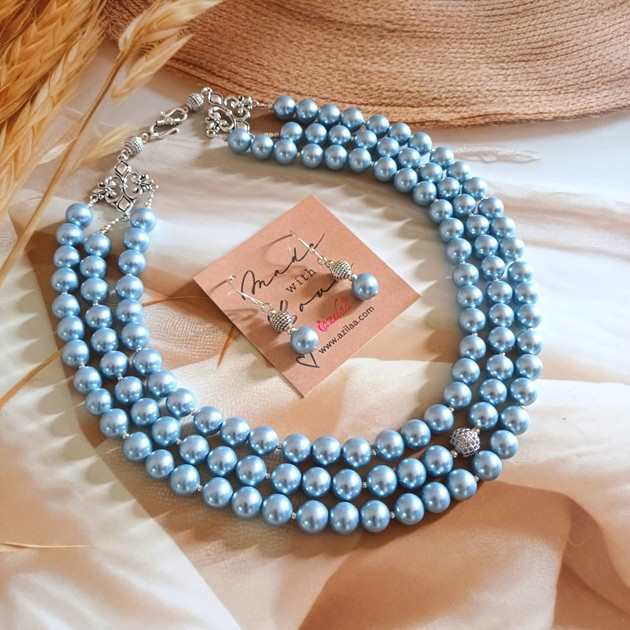
Elegant Blue pearl CZ choker necklace earrings at ?4250 | Azilaa

The Symbolism and Spiritual Significance of Blue Pearls in Different Cultures

Blue pearls are not only distinct due to their striking beauty but also because of the profound symbolism and spiritual significance they hold in various cultures around the world. These unique gems have been revered for centuries, with their deep hues often associated with mysticism, wisdom, and tranquility.

Symbolism in Ancient Cultures

  1. Eastern Traditions:
    In many Asian cultures, pearls, including blue ones, symbolize purity and wisdom. The blue color often represents the vastness of the sea and sky, connecting wearers to realms of spirituality and peace. They have been thought to bring serenity to those who wear them.
  2. Western Beliefs:
    In Western history, pearls have long been associated with wealth and refinement. Blue pearls specifically were seen as rare treasures symbolizing royalty and power while embodying calmness due to their serene colors.
  3. Polynesian Folklore:
    Polynesians believed that blue pearls were gifts from the gods or divine tears that fell into the ocean. According to legends, they were symbols of protection against evil spirits and misfortune.

Spiritual Significance Across Cultures

  • Calmness and Serenity: Blue is a universally calming color, often tied to tranquility in spiritual practices. Wearing or meditating with a blue pearl can enhance inner peace.
  • Communication and Self-Expression: Connected with the throat chakra in some belief systems, blue pearls are thought to aid clear communication and foster honest self-expression.
  • Wisdom and Intuition: The rarity of natural blue pearls alludes to insightfulness—prompting wearers to trust their intuition while seeking deeper truths.

Cultural Associations Table

Culture/Region Symbolism Associated with Blue Pearls Associated Values
Ancient China Wisdom, purity Enlightenment
Polynesian Islands Protection from evil spirits Safety
Middle East Mystic connection with water Emotional depth
Western Europe Royalty and refinement Power

Modern Perspectives on Symbolism

  • Luxury & Elegance: Their rarity makes them a symbol of sophistication in modern fashion.
  • Environmental Awareness: With rising attention on sustainable ocean resources like cultured pearls, owning a blue pearl conveys an appreciation for nature.

By understanding these timeless cultural meanings, one can appreciate not just the aesthetic allure but also the historical richness that accompanies these rare gems. Their significance transcends mere adornment; they carry stories woven across generations.

Final Thoughts on the Timeless Beauty and Elegance of Blue Pearls

Blue pearls are among the most captivating and rare treasures found in the world of gemstones. Their unique appearance, coupled with their symbolic and cultural significance, ensures they remain a timeless choice for jewelry enthusiasts and collectors alike. Below, we delve into what makes these gems so enduringly fascinating.

The Allure of Their Aesthetic Characteristics

Blue pearls are distinguished by their striking hue, which ranges from soft pastel blues to deeper silvery or steely tones. Beyond color, their luster sets them apart; a high-quality blue pearl possesses a radiant sheen that appears almost iridescent under light.

  • Color Shades: Variations such as sky blue, silver-blue, or midnight blue offer versatility for different styles and preferences.
  • Luster: A mirror-like surface enhances their sophistication and appeal.
  • Surface Quality: Fewer blemishes and imperfections result in a cleaner and more refined look.

Symbolism Across Cultures

  • In Eastern cultures, they often represent tranquility and inner peace.
  • In some Western traditions, blue pearls symbolize loyalty, trustworthiness, and connection to the ocean.
  • For many spiritual practices globally, these gems are believed to enhance intuition and communication.

Their universal symbolism underscores why they remain cherished across various traditions.

Timeless Appeal in Jewelry Design

  • Their ability to pair seamlessly with other gemstones like diamonds or sapphires.
  • A classic yet contemporary aesthetic suitable for both formal occasions and everyday wear.
  • The rarity of naturally occurring blue pearls enhances their exclusivity.

A Table Summarizing Blue Pearl Features

Feature Description
Color Shades range from light pastel blue to deep steel hues
Luster High-quality luster resembles a glowing sheen
Surface Quality Ideally free from noticeable blemishes
Shape Options Round (most classic), baroque (artistic appeal)

Caring for Your Blue Pearls

  1. Store them separately from other jewelry to avoid scratching.
  2. Avoid exposing them to harsh chemicals found in cleaning products or cosmetics.
  3. Clean gently with a soft cloth dampened with lukewarm water when needed.

These simple care steps preserve both the physical beauty and long-term value of your pearls.

The allure of blue pearls lies not just in their physical attributes but also in the emotional resonance they evoke—making them an emblem of elegance that transcends trends or time periods. Whether passed down as heirlooms or gifted as tokens of love and appreciation, they hold an irreplaceable place among nature’s finest creations.

Understanding Blue Pearl Valuation: Key Factors for Estate Jewelry Appraisal

What is a Blue Pearl?

Determining the value of estate jewelry can be a complex process, as it involves evaluating multiple factors that contribute to its overall worth. When assessing estate jewelry, especially pieces like blue pearl jewelry, both intrinsic and extrinsic characteristics must be taken into account. Below is a professional guide on the key factors to consider when determining the value of estate jewelry.

1. Condition of the Jewelry

  • Wear and Tear: Look for scratches, chips, or other visible damage that may reduce its value.
  • Restoration Work: Check if it has been repaired or altered, as this could affect its originality and desirability.
  • Structural Integrity: Ensure that clasps, prongs, and hinges are functioning well to preserve usability.

2. Materials Used

Material Type Factors Affecting Value
Precious Metals Purity (karat for gold, sterling for silver) and weight
Gemstones Quality (cut, color, clarity) and carat size
Unique Elements Rare inclusions like blue pearls or antique stones

For blue pearl jewelry specifically, assess the luster (shine), color uniformity, and size of the pearls.

3. Rarity and Historical Significance

  • Manufacturer or Designer: Pieces by renowned makers typically carry higher value.
  • Production Era: Antique pieces from specific historical eras (e.g., Victorian or Art Deco) tend to be more desirable.
  • Limited Editions: Verify if an item was part of a small collection or limited production run.

4. Market Demand and Trends

Current market demand can heavily influence estate jewelry pricing. Stay informed about trends such as increasing interest in sustainable luxury items or vintage designs.

5. Provenance Documentation

  • Original purchase receipts
  • Certificates of authenticity
  • Details about previous owners if they add historical relevance

6. Appraisals by Professionals

  • Seek licensed gemologists or certified appraisers.
  • Request both retail replacement valuation (for insurance purposes) and resale valuation (for selling).
  • Appraisal services should include detailed reports covering gem quality assessments and authentication details.

Assessing estate jewelry requires a meticulous approach combining knowledge of materials, history, current market influences, and expert advice where needed. By leveraging these factors effectively, you can arrive at an accurate valuation reflective of your piece’s true worth while optimizing decision-making regarding future use or sale opportunities.

Understanding the Importance of Blue Pearl Appraisal and Its Different Value Types

Estate jewelry appraisal is a crucial process that helps determine the worth of inherited or pre-owned jewelry. Whether you are planning to sell, insure, or keep estate jewelry for sentimental purposes, understanding its value is essential. Below, we break down why appraisals are important and explore the different types of values associated with estate jewelry.

Why Is Estate Jewelry Appraisal Important?

Appraising estate jewelry offers numerous benefits, including:
Accurate Valuation for Resale: If you intend to sell your estate jewelry, knowing its fair market value ensures you negotiate a reasonable price.
Insurance Coverage: Appraisals help determine replacement value, which can be critical when insuring high-value items in case of damage, loss, or theft.
Estate Planning and Division: When distributing assets within a family or through an estate plan, accurate appraisals aid in equitable distribution.
Preservation of Historical Significance: Some pieces have historical importance or unusual craftsmanship that adds to their uniqueness and value.

Different Value Types in Estate Jewelry Appraisals

Value Type Description Purpose
Fair Market Value The price at which the item would sell between a willing buyer and seller on the open market For resale or liquidation purposes
Replacement Value The cost to replace the item with one of similar quality at current retail prices For insurance coverage
Intrinsic (Material) Value The value based solely on the materials used (e.g., gold weight or gemstone quality) Used when selling components like gemstones or precious metals
Sentimental Value Not quantifiable; linked to emotional or personal significance Often considered by families but not calculated in monetary terms

Factors That Influence Estate Jewelry Values

The appraisal process considers numerous factors that influence a piece’s worth:
1. Materials Used: Precious metals like gold and platinum along with gemstones such as diamonds affect intrinsic value.
2. Condition: Original condition versus restoration work may either enhance or diminish overall worth.
3. Era and Style: Antique pieces from specific eras (Victorian, Art Deco) often carry premium prices due to their rarity and craftsmanship.
4. Provenance: Pieces with documentation verifying historical ownership (e.g., belonging to famous personalities) typically have higher appeal.

Choosing a Qualified Appraiser

Ensure your appraisal is performed by certified professionals who specialize in estate jewelry for accuracy and credibility: – Look for accreditations from organizations like Gemological Institute of America (GIA) or American Society of Appraisers (ASA). – Verify experience with antique or vintage items if applicable. – Request a written report detailing measurements, descriptions, photographs, and valuation methodology.

A trusted appraisal can provide clarity about an estate piece’s true worth while helping you make well-informed decisions regarding its future use.

Maximizing Returns: Blue Pearl Valuation Insights for Selling Inherited Jewelry Like Blue Pearls

Selling inherited jewelry can be an emotional and complex process, especially when dealing with unique pieces like blue pearl estate jewelry. Understanding your options and employing effective techniques to maximize returns is crucial. Below are expert insights, organized steps, and platforms to help you navigate this journey.

Understanding the Blue Pearl Worth: Key Steps to Selling Inherited Jewelry

  1. Obtain a professional appraisal to identify the piece’s worth based on factors such as rarity, materials, craftsmanship, and market demand.
  2. Research similar items online or through auction house catalogs for comparative pricing.
  3. Decide if certain pieces hold personal significance or are better suited for sale.
  4. If the item has historical or cultural importance, it may influence where you choose to sell it.
  5. Ensure the jewelry is cleaned professionally without damaging delicate materials like pearls.
  6. Retain any original packaging or certification documents that add to its provenance.
  7. Choose a Selling Platform
    There are several avenues for selling inherited jewelry depending on your priorities—whether it’s immediate cash flow or maximizing profit over time.

Where to Sell Inherited Jewelry

Platform Pros Cons
Local Jewelers Quick transaction May offer lower prices due to overhead
Auction Houses High earning potential for rare items Lengthy process; commissions apply
Online Marketplaces Wide reach; convenient Risk of fraud; requires secure shipping
Consignment Stores Access to luxury buyers Earnings delayed until an item sells
Specialized Estate Buyers Expertise in estate pieces Negotiation often required

Tips for Maximizing Returns

  • Showcase Rarity: Highlight features like unique designs, limited production runs, or vintage appeal when marketing your piece.
  • Leverage Documentation: Include appraisals, certificates of authenticity, and receipts whenever possible to build buyer confidence.
  • Monitor Trends: Keep an eye on current market trends in estate jewelry—specific styles (e.g., Art Deco), gemstones (e.g., blue pearls), or makers may be experiencing higher demand at a given time.
  • Negotiate Wisely: Avoid accepting the first offer unless you’re time-constrained; always seek competitive bids from multiple buyers.

Professional Assistance in Selling Inherited Jewelry

  1. Appraisers: For accurate valuation before listing your item.
  2. Estate Specialists: Experts who understand niche markets like blue pearl jewelry.
  3. Brokers: They can negotiate deals on your behalf while ensuring confidentiality.

By understanding both sentimental and financial aspects of inherited jewelry and leveraging the right strategies, you can achieve optimal results while preserving its legacy wherever possible.

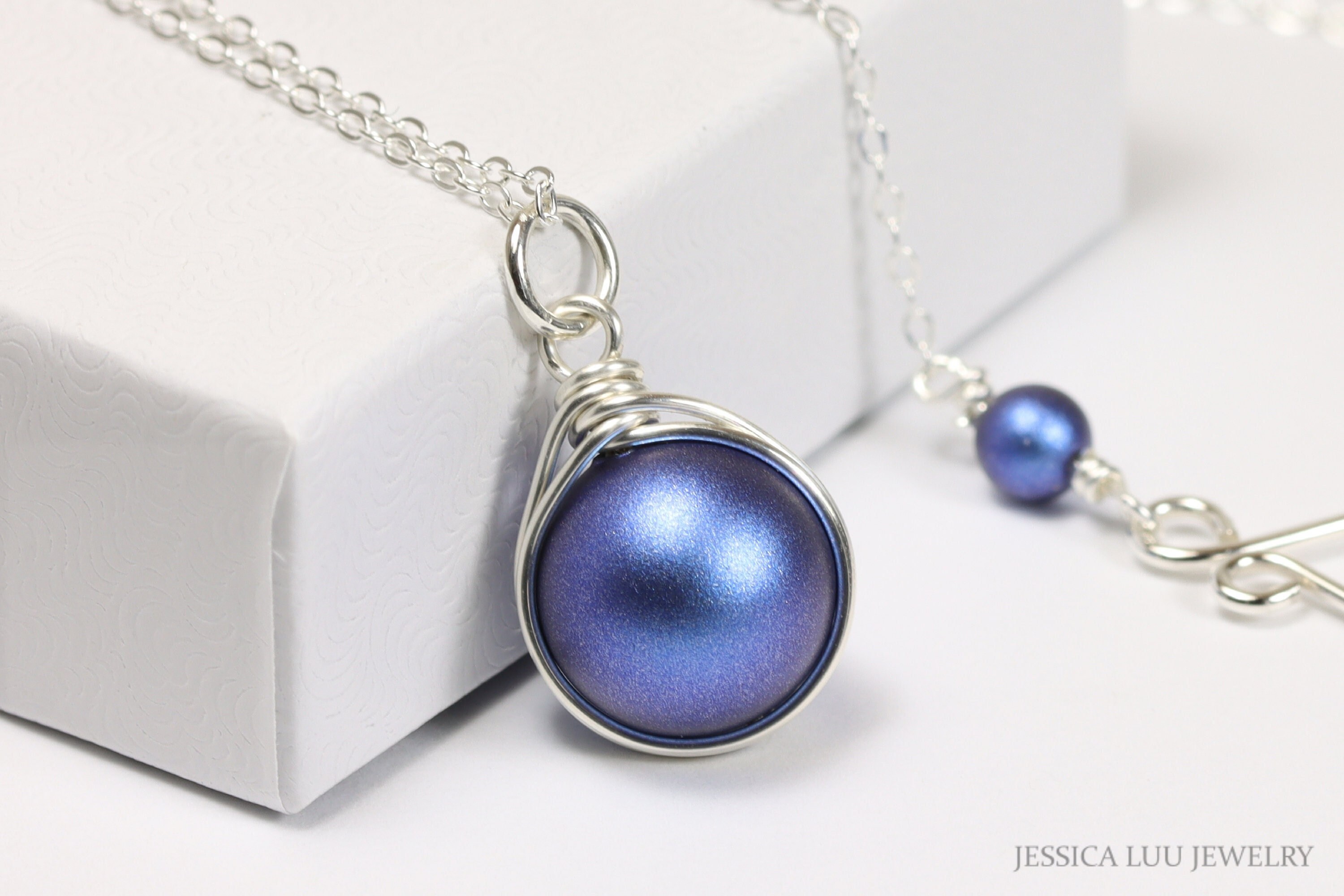
Iridescent Dark Blue Pearl Necklace: Sterling Silver Wire Wrapped Jewelry -  Etsy

How to Evaluate Estate Jewelry with Expert Tips and Techniques

Evaluating estate jewelry requires a careful approach and an understanding of key factors that impact its value. Whether you’re an enthusiast, a collector, or someone looking to sell inherited pieces, employing expert tips and techniques can help ensure an accurate evaluation. Below is a comprehensive guide to assessing estate jewelry effectively.

Key Factors to Consider When Evaluating Estate Jewelry

  1. Identify the primary materials used in the piece, such as gold, platinum, silver, or gemstones.
  2. Check for hallmarks or stamps indicating metal purity (e.g., 18K gold).
  3. Examine gemstones for quality by assessing their cut, clarity, color, and carat weight.
  4. Inspect the jewelry’s construction for signs of expert craftsmanship or flaws like uneven settings.
  5. Look for unique design elements or intricate detailing that may increase the piece’s value.
  6. Assess wear-and-tear such as scratches, dents, or missing stones. Pieces in excellent condition generally hold higher value.
  7. Determine if repairs have been made; well-executed restorations may not detract from value but heavily altered pieces might.
  8. Identify the time period in which the piece was created (Victorian, Art Deco, etc.) as certain styles are more desirable in the market today.
  9. Recognize hallmark features of specific eras—like geometric designs for Art Deco or floral motifs for Victorian-era jewelry.
  10. Verify whether gemstones are natural or synthetic by consulting a qualified gemologist if necessary.
  11. Look for maker’s marks or brand identifiers to confirm authenticity.

Expert Techniques for Accurate Evaluation

  • Use a Jeweler’s Loupe: A magnification tool helps you closely examine details like inclusions in gemstones or tiny hallmarks on metal surfaces.
  • Perform Research on Comparables: Study auction results and pricing guides to understand how similar pieces are valued in today’s market.
  • Leverage Professional Expertise: Seek out licensed appraisers specializing in estate jewelry who can provide thorough assessments.
  • Weigh Your Jewelry: Use precise scales to measure the weight of gold or other metals accurately—weight can significantly influence value.

Table: Common Hallmarks and Their Meanings

Hallmark Meaning Example
18K / 750 75% pure gold Found on fine gold rings
Pt950 95% pure platinum Often seen in high-end jewelry
Sterling / 925 Sterling silver (92.5% pure) Silver bracelets & necklaces

Additional Tips

  • Document Provenance: If possible, gather any documentation about the piece’s origin or ownership history as this can enhance its appeal to buyers.
  • Photograph Carefully: High-quality images showcasing the piece from multiple angles can assist with online sales evaluations.
  • Be Objective: Emotional attachment may cloud your judgment; focus on tangible attributes like material quality and current demand when evaluating a piece.

By combining these techniques with thorough research and professional input where needed, you can make informed decisions about your estate jewelry’s worth while ensuring accuracy during valuations.

The Role of Rarity, Maker, and Materials in Defining Blue Pearl Estate Jewelry Value

Understanding the value of blue pearl estate jewelry requires a nuanced approach that combines an appreciation for rarity, the reputation of the maker, and the quality of materials used. Each of these factors plays a significant role in determining not only the monetary worth but also the sentimental and historical significance of such items.

1. Rarity: A Key Driver of Value

  • Natural vs. Cultured Pearls: Natural blue pearls are exceedingly scarce compared to cultured ones, making them far more valuable.
  • Color and Luster: The intensity and evenness of the blue hue, combined with a superior luster, can set a piece apart from others.
  • Historical Provenance: If an item can be tied to a specific historical period or is part of a limited collection, its rarity—and thus its value—rises considerably.

2. The Maker’s Reputation

  • Famous Designers: Names like Cartier or Tiffany & Co. often fetch higher prices due to their craftsmanship and brand equity.
  • Artisan Craftsmanship: Pieces created by lesser-known but highly skilled jewelers may also hold tremendous value because of their intricate workmanship.
  • Signed Pieces: Jewelry signed by its maker tends to be more desirable than unsigned counterparts.
Maker Type Effect on Value
Well-known brands Typically command premium prices
Renowned artisans Often sought after for uniqueness
Unsigned pieces Lower value unless design is rare

3. Materials Used in Blue Pearl Jewelry

  • Akoya Pearls: Known for their high luster but less common in blue tones.
  • Tahitian Pearls: Often naturally occurring in darker hues, including blue.
  • South Sea Pearls: Larger sizes are prized but less frequently found in blue varieties.
  • Precious metals like platinum or 18K gold enhance overall appeal.
  • Silver settings may lower value unless uniquely designed.

Material quality directly impacts wearability and longevity, both crucial considerations when appraising estate jewelry.

Summary Table: Key Factors Affecting Value

Factor Description Impact on Value
Rarity Scarcity of natural blue pearls Increases desirability
Maker Brand reputation or artisan skill Boosts credibility and prestige
Materials Quality of pearls/metal used Determines durability and appeal

Assessing these factors holistically ensures accurate valuation for any piece within the realm of blue pearl estate jewelry while preserving its historical importance and artistic essence.

Navigating Market Trends and Demand for Accurate Blue Pearl Estate Jewelry Valuation

Accurately valuing Blue Pearl estate jewelry requires a deep understanding of current market trends and consumer demand. The market for estate jewelry is dynamic, driven by factors such as cultural preferences, economic conditions, and the rarity of specific materials or designs. To ensure precise valuation, it is crucial to stay informed about these trends while considering several key aspects.

Key Market Trends Impacting Blue Pearl Estate Jewelry Values

  1. Over the past few years, colored gemstones have surged in demand due to their unique aesthetic appeal and symbolism. Blue pearls, with their rare hue and natural shimmer, are increasingly sought after.
  2. Sustainable sourcing of pearls has also gained attention from environmentally conscious buyers, further enhancing demand.
  3. Consumers are gravitating toward vintage or antique pieces that carry historical significance. Older blue pearl estate jewelry with intricate craftsmanship often commands higher prices.
  4. During periods of economic uncertainty, there may be increased interest in investment-grade jewelry. Pieces featuring high-quality pearls combined with precious metals like gold or platinum tend to hold value well.
  5. Regional preferences can also play a role in determining value. For instance, in Asia-Pacific markets, pearls are often seen as symbols of purity and prosperity, amplifying their desirability.

Factors Influencing Demand for Blue Pearl Estate Jewelry

  • Rarity: Naturally occurring blue pearls are significantly rarer than traditional white or cream-colored pearls. This rarity makes them highly appealing to collectors.
  • Craftsmanship: Pieces created by renowned designers or featuring exceptional handcrafting techniques can elevate perceived value.
  • Condition: Well-preserved and properly maintained estate pieces with minimal wear typically attract higher bids from buyers.
  • Larger blue pearls are generally more valuable because they require longer cultivation times within oysters.
  • Symmetrical shapes (e.g., round or near-round) tend to be more desirable than baroque shapes for traditional buyers.

Understanding Supply Chain Trends

Factor Impact on Valuation
Natural Pearl Harvests Seasonal variations may limit supply levels
Cultured Pearl Availability Advances in cultivation can increase inventory
Ethical Sourcing Certifications Buyers prioritize ethically sourced materials

Pro Tips for Accurate Valuation

  1. Stay updated on auction house sales results for similar pieces.
  2. Consult gemological reports from reputable labs (e.g., GIA) when appraising pearls.
  3. Assess current retail pricing trends online or at luxury jewelry stores specializing in estate collections.

By considering both market trends and consumer demand alongside key valuation factors like rarity and craftsmanship, you can navigate the complexities of appraising Blue Pearl estate jewelry with greater confidence and accuracy.

Discover the Timeless Beauty of Blue Pearls: A Comprehensive Guide to Jewelry Appraisals

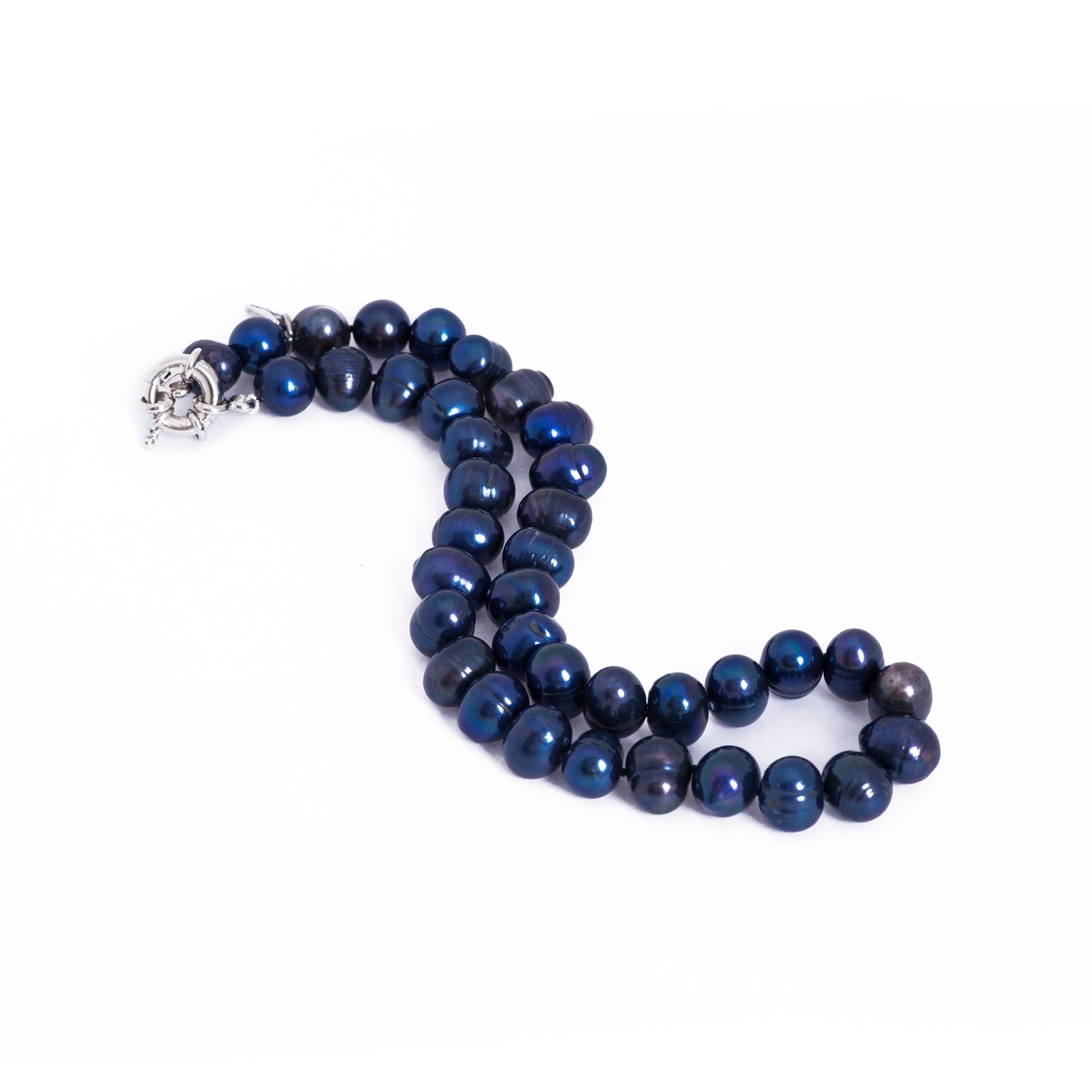
Betty Pearl Necklace Navy – Hazel & Marie

Blue pearls, with their captivating elegance and rarity, are cherished as timeless treasures. However, to truly appreciate and safeguard the value of these precious gems, obtaining a professional jewelry appraisal is essential. Whether you’re a collector, investor, or simply the proud owner of a stunning blue pearl piece, understanding the appraisal process will empower you to make informed decisions and unlock its true worth.

What Is a Jewelry Appraisal?

  • Gem Details: Type, origin (if known), size, color grade, surface quality, luster, and any unique attributes.
  • Metal Information: Type of metal used in the setting (gold, silver, platinum), weight in grams or karats.
  • Craftsmanship: Design elements and craftsmanship quality.
  • Current Market Value: The appraised monetary worth based on prevailing market conditions.

Reasons to Get Your Blue Pearl Appraised

  1. Insurance Coverage:
    Accurate valuation ensures that your pearl is adequately insured against theft, loss, or damage. Most insurance providers require an updated appraisal document for coverage.
  2. Authentication:
    Verify that your blue pearl is genuine and identify its origin (such as natural vs. cultured pearls).
  3. Resale Value Assessment:
    If you choose to sell your jewelry in the future or pass it down through generations, knowing its current market worth helps set fair expectations.
  4. Estate Planning:
    Appraisals provide clear documentation for equitably dividing assets among beneficiaries.
  5. Peace of Mind:
    Understanding the true value of your blue pearl eliminates any uncertainties about its authenticity or worth.

Types of Jewelry Appraisals

Appraisal Type Purpose Example Use Case
Insurance Appraisal Determines replacement cost Insuring against loss
Fair Market Value Reflects sale price between willing parties Estate settlements
Liquidation Value Lowest cash value for urgent sales Bankruptcy proceedings

Steps Involved in Gaining an Accurate Blue Pearl Appraisal

  1. Select a qualified professional who specializes in pearls or fine jewelry—ideally certified by organizations such as GIA (Gemological Institute of America) or NAJA (National Association of Jewelry Appraisers).
  2. Present all documentation related to your blue pearl’s purchase history or prior evaluations if available.
  3. Allow for physical examination under magnification tools like microscopes to assess surface imperfections or treatments.
  4. Discuss intended use—whether for insurance purposes or resale—to ensure correct valuation methods are applied.

Obtaining a comprehensive appraisal not only reveals insights into your blue pearl’s unique properties but also safeguards it as part of your valuable assets portfolio over time.

Understanding Blue Pearl Valuation: Ensuring Authenticity, Quality, and Protection

Jewelry appraisals play a critical role in safeguarding the value and authenticity of your blue pearl. Whether your pearl holds sentimental value as a family heirloom or represents a significant financial investment, obtaining a professional appraisal offers numerous benefits. Below, we delve into how an appraisal can ensure authenticity, assess quality, and provide protection for your prized possession.

Ensuring Authenticity

  • Confirm the origin and legitimacy of your blue pearl.
  • Verify whether it is natural or cultured.
  • Identify treatments or enhancements that may have been applied.

Proper authentication protects buyers from counterfeit goods and ensures they are purchasing or owning an authentic piece. For collectors and investors alike, this peace of mind is invaluable.

Assessing Quality

Attribute Description
Luster The reflective quality or shine of the pearl’s surface.
Surface Quality The presence (or absence) of blemishes or imperfections on the pearl.
Color The hue, tone, and overtone that make up the unique color profile.
Shape The symmetry or roundness—whether perfectly spherical or uniquely baroque.
Size Measured in millimeters—a key factor in determining its value.

By assessing these characteristics in detail, appraisers provide clarity on where your blue pearl stands on industry grading scales.

Protecting Your Investment

  1. An accurate valuation ensures proper insurance coverage against loss, theft, damage, or unforeseen events.
  2. Insurers often require up-to-date appraisals to process claims efficiently.
  3. Appraisals are essential for dividing assets equitably during estate planning or legal proceedings.
  4. They establish clear monetary values for tax purposes when gifting pearls to family members.
  5. Understanding current market trends through an appraisal helps sellers set fair prices if they wish to sell their jewelry.
  6. Buyers also benefit by ensuring they pay appropriate prices for high-quality items.

Long-Term Benefits

Regular appraisals (every 2–5 years) are recommended due to fluctuations in market conditions and gemstone values over time. This practice ensures that your documentation remains accurate should you need it for insurance claims or resale purposes later on.

By investing in professional jewelry appraisals for your blue pearl, you secure its value while gaining confidence in its authenticity and quality—key aspects every owner should prioritize for such a precious asset.

Comprehensive Guide to the Blue Pearl Appraisal Process

When it comes to blue pearl jewelry, appraisals are a crucial step to ensure its value, authenticity, and overall quality. A professional appraisal process provides a comprehensive evaluation of your blue pearl, offering insights into its craftsmanship, materials, and market valuation. Here’s a detailed overview of what happens during a professional blue pearl jewelry appraisal.

Key Steps in the Appraisal Process

  1. Initial Inspection
    The first step involves a thorough visual inspection of the blue pearl and its setting (if part of a piece of jewelry). The appraiser examines the following elements:
  2. Luster: Evaluating the shine and reflective quality of the blue pearl.
  3. Surface Quality: Checking for blemishes, pits, or imperfections on the surface.
  4. Shape: Identifying whether it is round, oval, or baroque (irregularly shaped).
  5. Material Assessment
    If your blue pearl is part of an ornament like a ring or necklace, the appraiser will also assess accompanying materials such as gold, platinum, or silver against industry standards. Key factors include:
  6. Purity levels (e.g., 14k vs 18k gold)
  7. Weight measurements in grams/carats
  8. Measurement & Size Analysis
    Pearls are meticulously measured by their diameter (in millimeters), with size contributing significantly to value. Blue pearls within an ideal size range will often command higher valuations.
  9. Origin Verification
    Determining whether your blue pearl is natural or cultured is a vital aspect of authentication. Additionally, identifying if it originated from saltwater sources like Tahitian oysters adds further context to valuation.
  10. Color Grading
    For blue pearls specifically:
  11. The intensity and consistency of color are reviewed under controlled lighting conditions.
  12. Undertones (e.g., hints of green or silver) are also evaluated.
  13. Documentation Review
    Your appraiser may request certificates from recognized gemological institutes if available (e.g., GIA or AGS), which can support authenticity claims.

Tools Used During Blue Pearl Appraisals

Tool Name Purpose
Gemological Microscope For magnified inspection of surface flaws
Calipers To measure diameter accurately
Refractometer To analyze light refraction properties
UV Light Source To check fluorescence

Benefits of Professional Expertise

  • They have extensive knowledge about market trends and demand for pearls.
  • Their impartial assessment ensures unbiased valuation.
  • They can identify counterfeit treatments such as dyed colors or synthetic layering.

Seeking regular appraisals from certified professionals not only safeguards your investment but also provides peace of mind about your treasured blue pearl’s true worth in today’s market environment.

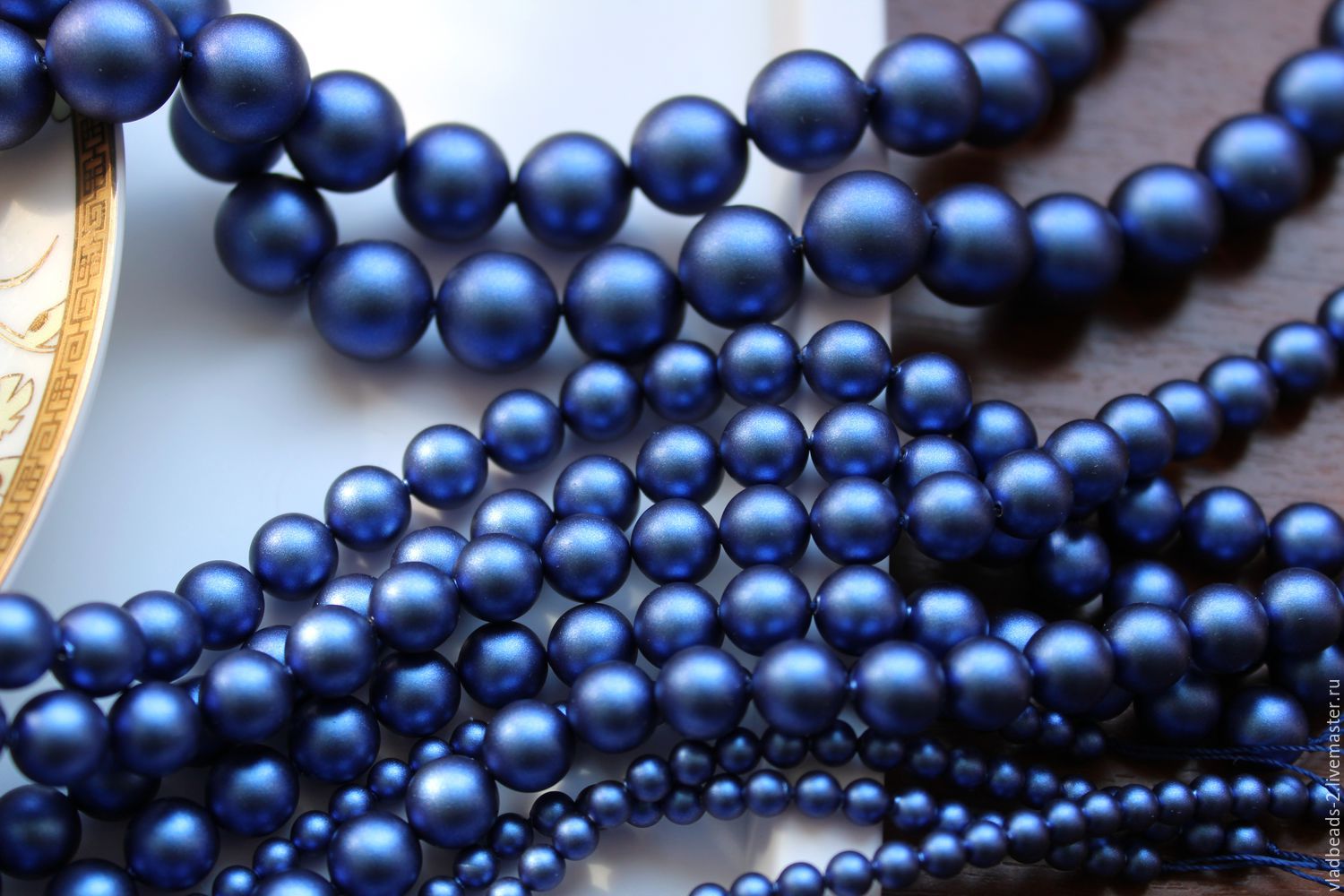
Vidéothèque - blue pearls swarovski

Discover the True Blue Pearl Worth: Ensuring Authenticity and Value

Authenticity plays a crucial role in safeguarding the value and significance of your blue pearl jewelry. Whether you’ve purchased a natural blue pearl or received one as an heirloom, ensuring its authenticity is essential to preserving its worth and importance. Here’s why authenticity matters and how it protects your investment.

The Importance of Authentic Blue Pearls

Genuine blue pearls are rare treasures formed under specific natural conditions. Their uniqueness makes them highly desirable but also makes them susceptible to imitation. Without verifying authenticity, buyers risk investing in counterfeit or artificially enhanced pearls that hold significantly less value.

  • Luster: A deep, radiant glow that reflects light beautifully.
  • Surface Quality: Minimal blemishes or imperfections.
  • Color Consistency: A natural hue with subtle variations rather than artificial uniformity.
  • Shape: Symmetry, whether round, oval, or baroque.

For investors and collectors alike, owning an authentic blue pearl provides more than financial value—it offers the satisfaction of possessing a genuine piece of nature’s artistry.

Risks Associated with Inauthentic Blue Pearls

  1. Financial Loss: Imitation pearls often sell at a fraction of the price of genuine ones. Investing in counterfeits may lead to overpayment for inferior pieces.
  2. Limited Insurance Coverage: Insurance policies typically require proof of authenticity before providing coverage for valuable items like jewelry.
  3. Diminished Resale Value: Without certification proving its legitimacy, your blue pearl will likely have limited appeal on the secondary market.
  4. Emotional Disappointment: Discovering that a cherished item is not genuine can be deeply disheartening.

How Authentication Protects Your Investment

Professional appraisals play a vital role in verifying the authenticity of your blue pearl and protecting its long-term value. By consulting certified gemologists or appraisal experts, you gain access to their specialized knowledge and tools for evaluation.

  • Comprehensive Certification: A detailed appraisal report includes information on size, weight, luster quality, origin (e.g., cultured vs. natural), and current market value.
  • Insurance Eligibility: Documentation allows proper insurance coverage against theft, damage, or loss.
  • Confidence During Resale or Inheritance Transfers: Certified authentication establishes trust among potential buyers or inheritors.

Recognizing Trusted Appraisal Services

Criteria What to Look For
Credentials Certified gemologists with credentials like GIA
Experience Years dedicated specifically to pearls
Tools & Technology Use of advanced tools (e.g., refractometers)
Reputation Positive reviews from other clients

By selecting qualified professionals for authentication services, you secure both peace of mind and financial protection for your investment.

Properly authenticating your blue pearl ensures its rightful place as an irreplaceable treasure within your collection. This process not only upholds its monetary worth but also preserves its sentimental value for generations to come—a true testament to why authenticity matters so deeply in luxury jewelry ownership.

Discover Blue Pearl Valuation Insights: Safeguarding Your Stunning Investment

When you invest in a blue pearl, whether it’s a single exquisite gem or part of an intricately designed jewelry piece, authenticity is paramount. The beauty and value of pearls lie not only in their visual appeal but also in their origin, composition, and quality. Without proper authentication, you risk overpaying for a counterfeit or undervaluing your investment. Here’s why ensuring authenticity matters and how it protects your blue pearl investment.

The Importance of Authentication for Your Blue Pearl

  • Verification of Origin: Authentic appraisals distinguish between natural pearls (formed without human intervention) and cultured pearls (grown with human assistance). This distinction can significantly impact the market value.
  • Quality Assessment: An authentic blue pearl will showcase specific characteristics that indicate its quality:
  • Surface condition: Smooth with minimal blemishes
  • Luster: A radiant shine reflecting light beautifully
  • Size: Larger pearls often carry greater value
  • Shape: Round or symmetrical shapes are more desirable
  • Protection from Counterfeits: With advancements in imitation pearl manufacturing, counterfeits can appear deceptively similar to genuine pearls. Authentication ensures that what you have is legitimate.

How Authentication Protects Your Investment

  1. Market Value Preservation
    A certified blue pearl holds its value better over time than one without verification. Buyers or future investors are more likely to trust a piece backed by professional appraisal documentation.
  2. Insurance Protection
    Insurance companies often require proof of authenticity before covering high-value pieces like jewelry featuring blue pearls. Without proper verification, obtaining coverage could be difficult or result in undervalued policies.
  3. Resale Opportunities
    If you ever decide to sell your blue pearl jewelry, authenticity certificates add credibility and help you secure competitive offers.
  4. Heirloom Preservation
    Passing down a valuable family heirloom carries sentimental significance. Ensuring its authenticity safeguards the legacy tied to the piece for future generations.

Key Indicators Used to Confirm Authenticity

Indicator Description
X-Ray Examination Determines whether layers formed naturally or artificially
Reflection Analysis Assesses luster quality by examining light reflection
UV Light Testing Differentiates between natural/cultured pearls versus imitations
Microscopic Inspection Evaluates surface texture and internal structure

These techniques ensure that every aspect of the pearl is scrutinized for accuracy and validity.

Safeguarding Your Stunning Blue Pearl

Ultimately, verifying the authenticity of your stunning blue pearl is not just about knowing its worth; it’s about protecting an asset that may hold personal memories or financial significance. Partnering with reputable appraisers who specialize in gemstones ensures peace of mind while maximizing both short-term enjoyment and long-term investment potential.