What is a Jewellery Valuation?
A jewellery valuation is an expert-assessed document that determines the monetary value of a specific jewellery item at a given time. It typically includes details such as:
– A full description of the item (materials used, design features, gemstone characteristics)
– The current market value or replacement price
– Photographic evidence for documentation
In the context of blue pearls, valuations also take into account factors like origin, colour consistency, lustre quality, size uniformity, and craftsmanship.
Why Are Jewellery Valuations Important?
- Insurance Protection
Accurate valuations ensure that your blue pearl pieces are adequately insured against loss or damage. Without an up-to-date valuation report reflecting accurate market trends, there’s a risk of underinsuring your most cherished possessions. - Resale Purposes
If you ever decide to sell your blue pearl jewellery, having a certified valuation can enhance buyer confidence and help you secure fair market value. - Estate Distribution
In cases where family heirlooms need to be distributed among beneficiaries or auctioned as part of an estate sale, proper documentation ensures transparency and fair division. - Authentication
A professional valuation also serves as evidence of authenticity by providing key details about your item’s origin and quality characteristics.
What Does a Blue Pearl Jewellery Valuation Cover?
| Key Elements Considered During Blue Pearl Valuation | Description |
| Lustre Quality | The reflective sheen on the surface is one of the most defining features for assessing value. |
| Colour Intensity | Rich blues with minimal overtones or blemishes fetch higher valuations. |
| Pearl Size & Shape Uniformity | Round and symmetrical pearls tend to have greater worth in comparison to irregular shapes. |
| Surface Condition | Surface spots or texture flaws can significantly lower valuation figures. |
| Craftsmanship & Setting Materials | The skill involved in crafting jewellery settings (e.g., gold vs platinum) impacts overall appraisal results. |
Finding Trusted Professionals
- Consult with experienced gemologists certified by bodies like GIA (Gemological Institute of America) or IGI (International Gemological Institute).
- Make sure appraisers have specific expertise in handling rare gems such as South Sea Blue Pearls or Tahitian variants.
- Keep records updated every 3–5 years as markets fluctuate—especially for high-value items like antique pieces.
Properly understanding how professional appraisals work not only enhances financial clarity but also underscores responsibility toward preserving investments tied to fine jewellery collections involving rare gems like blue pearls.
How to Determine the Blue Pearl Worth and What Influences It
The value of blue pearl jewellery is determined by a combination of intrinsic and extrinsic factors. These factors encompass the characteristics of the pearl itself, the craftsmanship involved in creating the jewellery, and market conditions. Understanding these elements can help buyers and collectors make informed decisions when purchasing or valuing blue pearl pieces.
Key Factors Affecting Blue Pearl Value
- Colour
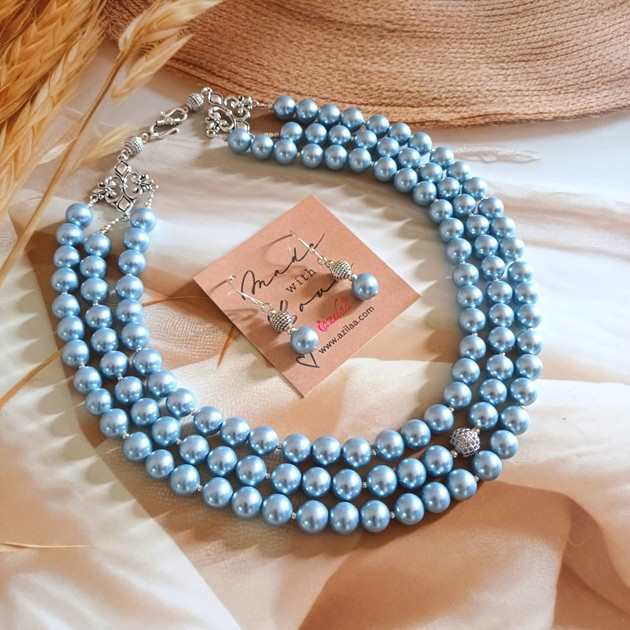
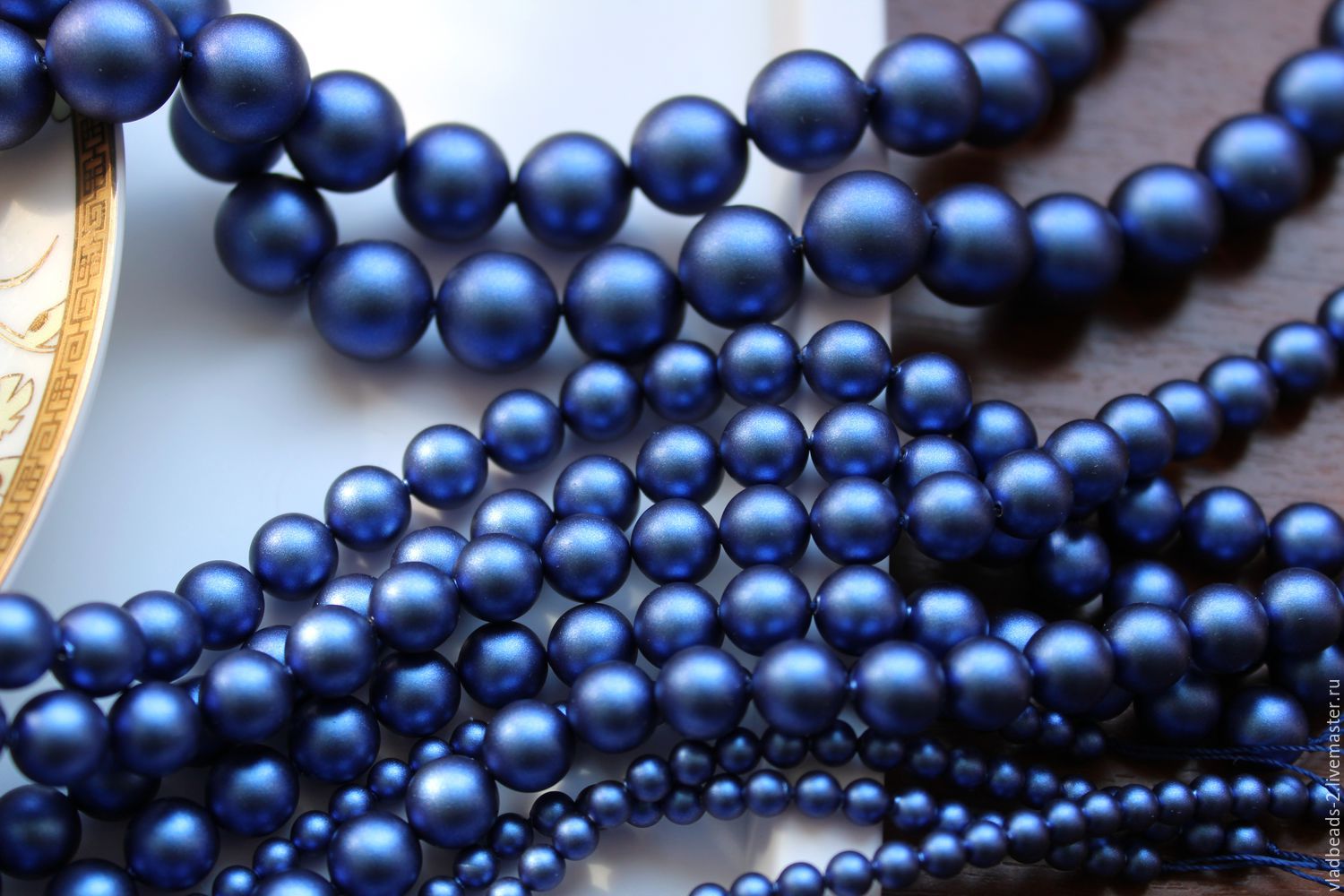
Blue pearls are treasured for their distinctive hue, which ranges from light silvery blue to deep, rich shades of indigo. The intensity and uniformity of the colour significantly impact their value. Pearls with a vibrant and even tone are considered more desirable. Subtle overtones, such as hints of lavender or green, may further enhance their appeal. - Lustre
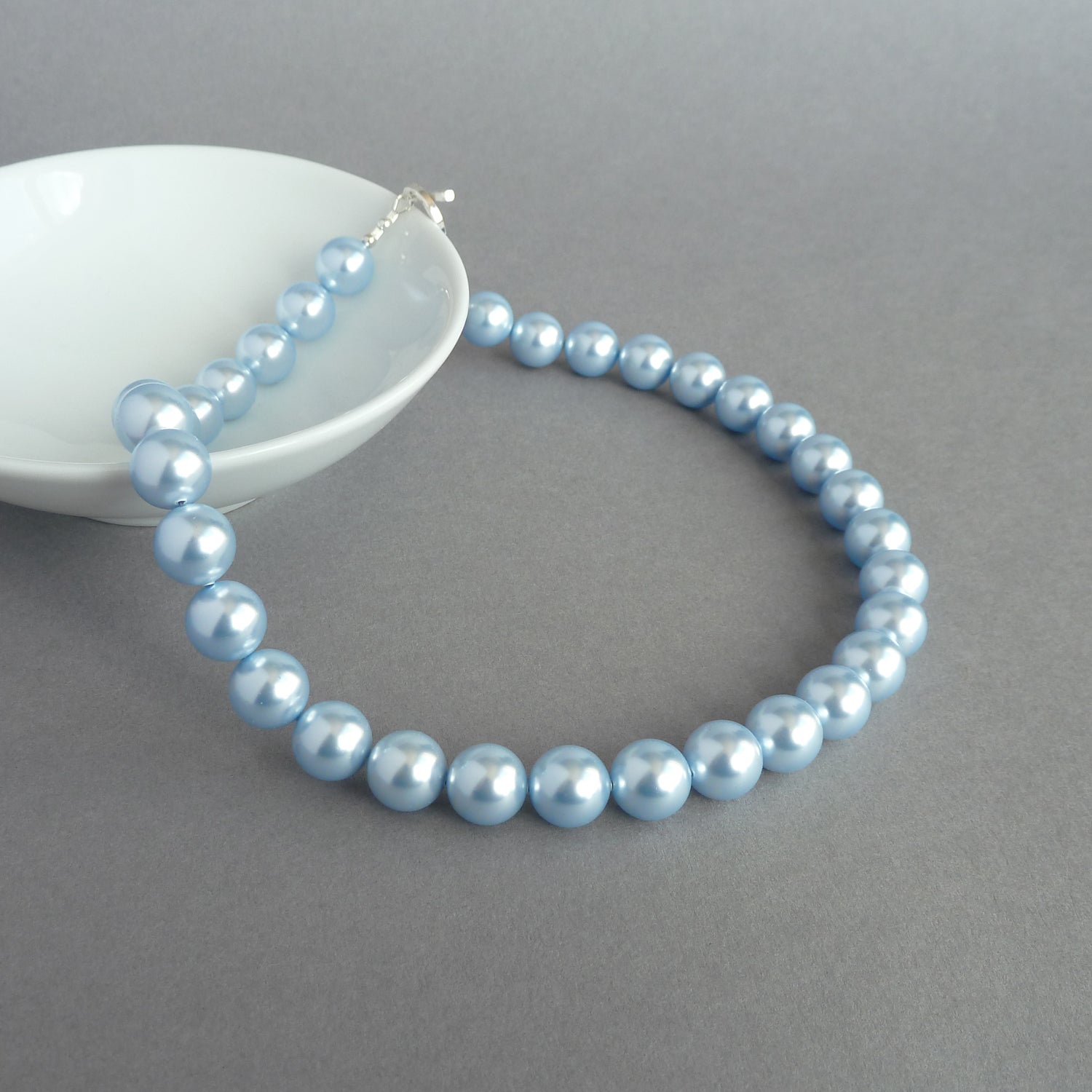
Lustre refers to the quality and intensity of light reflected from a pearl’s surface. The more brilliant and mirror-like the lustre, the higher its value. High-lustre blue pearls exhibit a radiant glow that enhances their aesthetic appeal. - Size
Larger pearls are generally more valuable due to their rarity. For blue pearls, sizes typically range between 8mm to 16mm in diameter. Pearls closer to or exceeding 14mm tend to command premium prices. - Surface Quality
The presence of blemishes or imperfections on a pearl’s surface can lower its value. Clean pearls with minimal flaws are highly sought after by both jewellers and collectors. - Shape
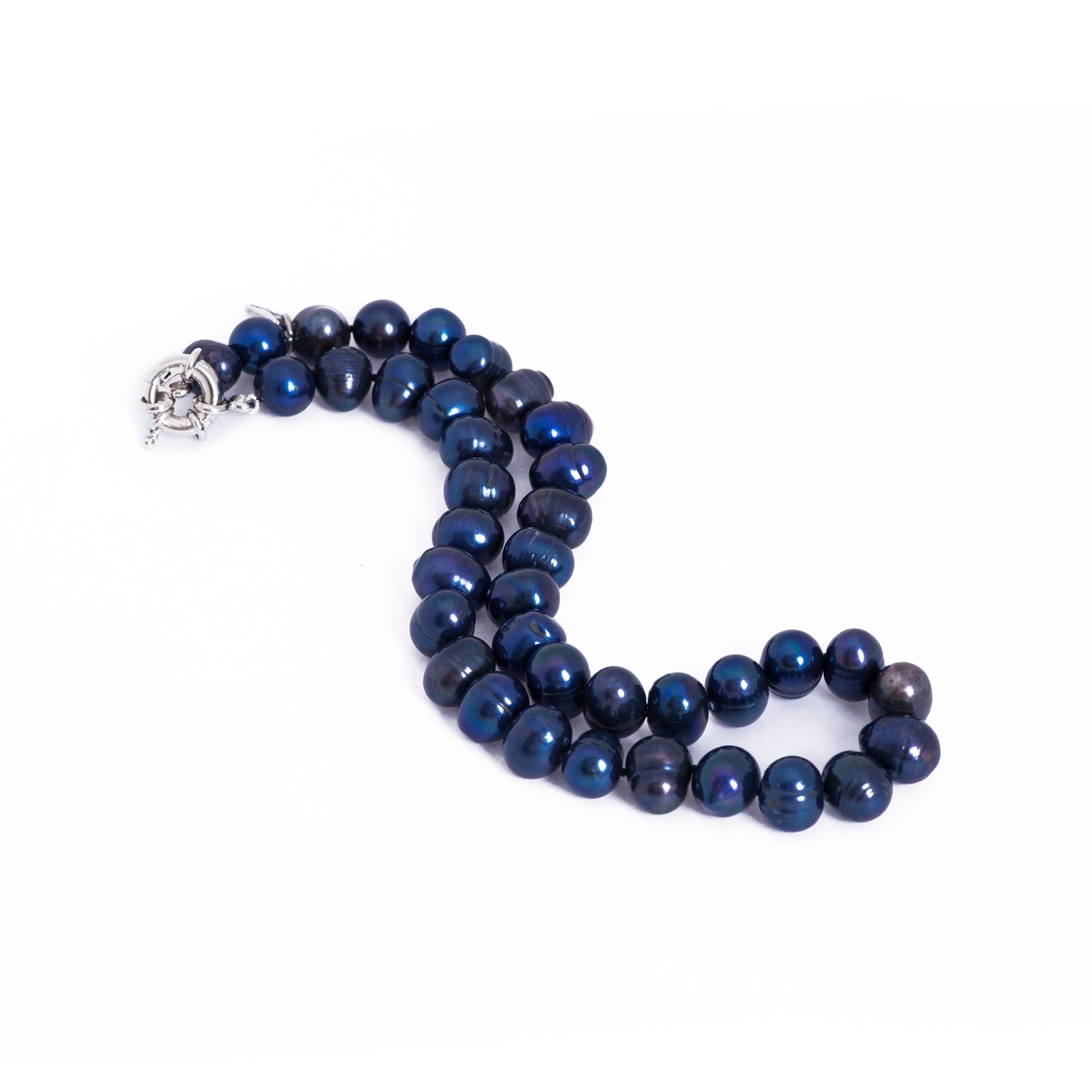
Round pearls are traditionally prized for their symmetry; however, baroque (irregularly shaped) blue pearls have gained popularity for their unique appearance. While round shapes carry a higher traditional valuation, baroque styles attract niche markets due to their individuality. - Origin
The geographic origin plays an important role in determining value. South Sea blue pearls or those cultured in French Polynesia tend to fetch higher prices due to superior cultivation practices and environmental conditions. - Craftsmanship
The design and creation process can greatly enhance the overall worth of blue pearl jewellery pieces: - Handmade designs by renowned artisans add exclusivity.
- High-quality settings using precious metals like platinum or gold elevate perceived value.
- Market Trends & Demand
Consumer preferences influence pricing significantly: - Seasonal trends may impact demand for specific shades.
- Limited-edition collections often drive higher valuations.
Table: Overview of Key Factors
| Factor | Impact on Value |
| Colour | Richer hues increase desirability |
| Lustre | Brighter reflections signify higher quality |
| Size | Larger sizes fetch premium prices |
| Surface Quality | Fewer blemishes lead to better valuations |
| Shape | Perfectly round shapes have traditional appeal |
| Origin | Cultivation location contributes to exclusivity |
| Craftsmanship | Skilled artisanship adds significant worth |
Final Thoughts on Valuation Dynamics
When evaluating blue pearl jewellery, it is essential to consider all influencing factors collectively rather than individually focusing on one aspect like size or colour alone. A piece’s true worth lies in how these characteristics harmoniously blend together alongside market perceptions and trends at any given time—making professional appraisals invaluable during purchase or resale processes.
Understanding Blue Pearl Valuation Insights and Their Impact on Precious Stone Appraisals
Jewellery valuations are a critical aspect of understanding the true worth of precious stones, including blue pearls. Whether it’s for insurance purposes, resale, or estate planning, proper valuations ensure that the intrinsic and market value of your jewellery is accurately assessed. For blue pearl enthusiasts and collectors, this process is especially vital given the unique properties and rarity these pearls possess.
Why Jewellery Valuations Matter
- Insurance and Security
A precise valuation offers protection in the unfortunate case of loss, theft, or damage. Insurers often require up-to-date valuations to determine an appropriate replacement value for your blue pearl jewellery. - Resale Value
Should you choose to sell or trade your blue pearl piece in the future, knowing its current market value can help you secure a fair price in line with industry trends. - Estate Planning and Inheritance
Properly valuing your jewellery ensures that assets are divided equitably among heirs or included accurately in wills. - Investment Tracking
Blue pearls can appreciate in value over time depending on factors such as rarity and demand. Regular valuations allow investors to track their asset growth effectively.
The Process of Jewellery Valuation
| Factor | Description |
| Rarity | The availability of natural blue pearls significantly impacts their market value. |
| Quality | Evaluations of luster, surface quality, size, and shape play a pivotal role in determining worth. |
| Provenance | Items with verified origins or unique history often attract higher values. |
| Market Trends | Demand within the global luxury market influences pricing fluctuations over time. |
| Craftsmanship | The skill involved in creating the jewellery setting adds additional value. |
How Often Should You Get Your Jewellery Valued?
Experts recommend getting high-value pieces such as blue pearl jewellery appraised every 2-3 years due to shifting market dynamics and inflationary changes in replacement costs.
Choosing a Qualified Appraiser
- Look for memberships with authoritative bodies like the Gemological Institute of America (GIA) or National Association of Jewellers (NAJ).
- Ensure they specialize in luxury pearls or fine jewellery appraisal.
- Verify that their methods meet international industry standards regarding grading systems.
Regular valuations not only authenticate your pieces but also provide peace of mind by preserving their legacy and financial integrity throughout generations.

Understanding the Key Factors That Affect Antique Blue Pearl Jewellery Value
Antique blue pearl jewellery holds a special place in the world of luxury and collectibles. Its rarity, history, and aesthetic appeal make it desirable for collectors and enthusiasts alike. However, determining its value requires an in-depth understanding of specific key factors. Below is a detailed exploration of these factors that influence the worth of antique blue pearl jewellery.
1. Rarity and Provenance
- Rarity: The scarcity of natural blue pearls significantly impacts their value. Antique pieces featuring blue pearls from natural sources such as Pinctada margaritifera (black-lipped oysters) or other rare mollusks are highly sought after.
- Provenance: A well-documented history or origin adds immense value to antique jewellery. For instance:
- Pieces with royal or celebrity ownership
- Jewellery crafted by historically renowned artisans or brands
- Items originating from specific time periods like the Victorian or Art Deco era
2. Condition of the Jewellery
- The condition directly influences both intrinsic and market value.
- Factors to assess:
- Presence of chips, cracks, or discoloration on the pearls
- Integrity of settings (e.g., gold, platinum, or silver frameworks)
- Wear and tear on clasps, chains, or other structural components
Preserving antique items in optimal condition enhances their long-term value.
3. Size and Shape
- Larger pearls generally command higher prices due to their rarity.
- Perfectly round pearls are considered the most desirable shape for traditional aesthetics; however, baroque-shaped pearls might appeal to niche collectors due to their uniqueness.
| Pearl Size (mm) | Relative Value Impact |
| Below 5mm | Moderate |
| 6-9mm | High |
| Above 10mm | Premium |
4. Lustre and Surface Quality
The lustre (the way light reflects from a pearl’s surface) is a critical determinant for assessing quality: – Pearls with a sharp and mirror-like lustre tend to be more valuable. – Surface imperfections such as spots or ridges can detract from overall worth but may add character in some antique pieces.
5. Colour and Tone
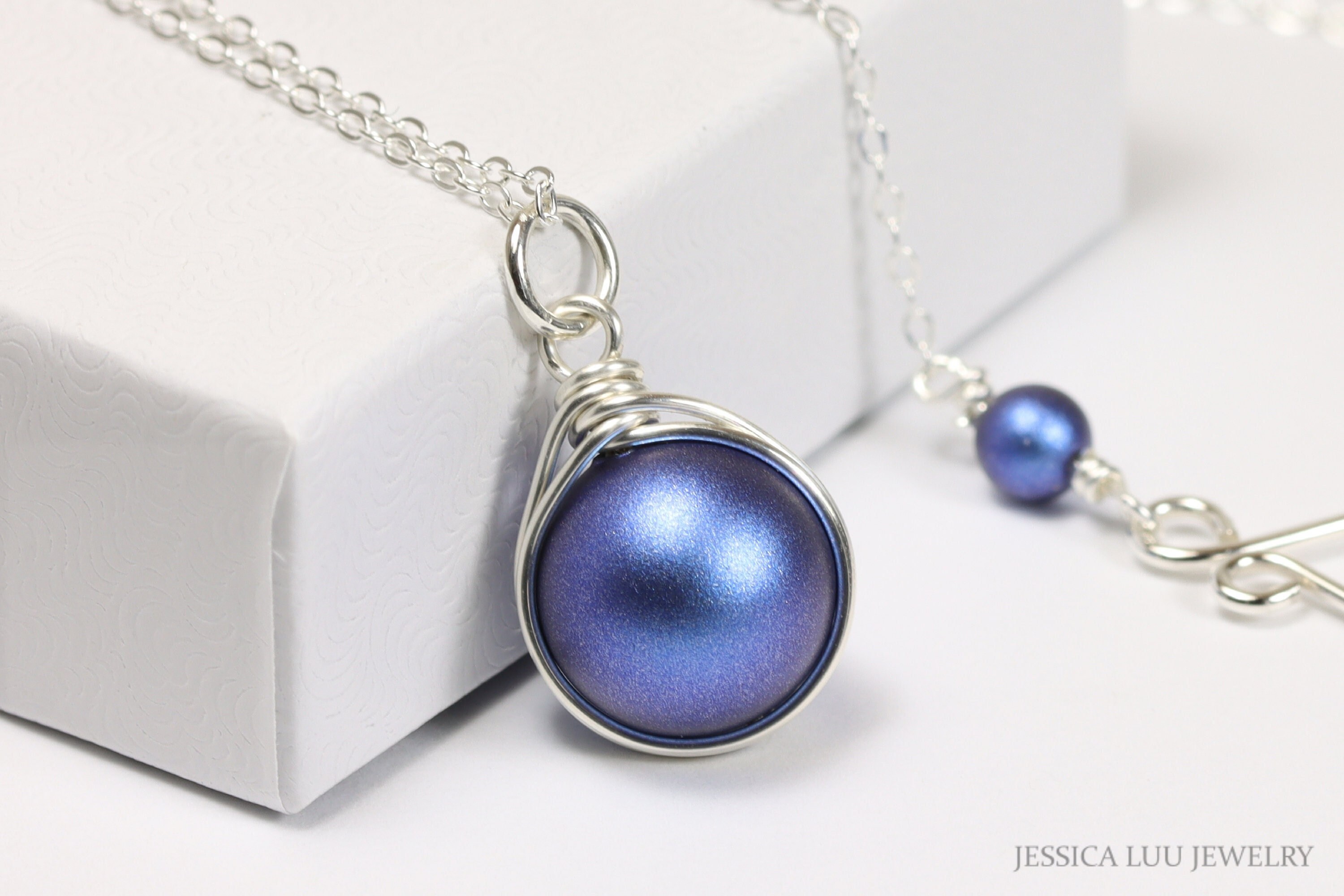
Blue pearls’ unique hues—ranging from pale aquamarine shades to deep cobalt tones—add significant value. Evaluators often analyze: – Intensity: Richer tones are more coveted. – Overtone: Subtle secondary colours like silver or lavender enhance depth.
Collectors often prefer consistent tones across all pearls within a piece.
6. Market Trends
Market trends can also influence valuation: * Vintage-inspired designs have grown popular in recent years. * Demand among collectors both regionally and globally fluctuates based on auctions, exhibitions, or cultural shifts.
Understanding these factors ensures informed decisions regarding appraisals, sales, purchases, or preservation efforts for antique blue pearl jewellery pieces. By paying close attention to provenance, condition, size metrics, and market insights discussed here, one can better appreciate what makes these timeless treasures so valuable.
The Importance of Expert Care and Specialist Cleaning for Luxury Blue Pearl Jewellery
Luxury blue pearl jewellery is not just a financial investment but also an object of beauty, sentiment, and heritage. Caring for such fine pieces requires a thoughtful approach to preserve their luster, structural integrity, and value over time. Regular cleaning using the right techniques can make a significant difference in maintaining the elegance of blue pearls and ensuring their long-term appeal.
Why Specialist Care is Essential
- Surface damage such as scratches or abrasions
- Loss of lustre due to exposure to harsh chemicals
- Degradation caused by improper storage or environmental factors
To mitigate these risks, specialist care should be prioritized over generic jewellery cleaning methods. Expert jewellers use tailored techniques that ensure the pearl’s nacre (the iridescent outer layer) remains intact while enhancing its natural sheen.
General Tips for Blue Pearl Jewellery Maintenance
- Avoid Harsh Chemicals: Pearls are particularly vulnerable to substances like perfume, hairspray, and household cleaners. Always apply such products before wearing your jewellery.
- Store Properly: To prevent scratches or damage from harder gemstones in your collection, store blue pearls in soft pouches or separate compartments within a jewellery box.
- Clean Gently: Use lukewarm water and mild soap with a soft cloth for periodic cleaning. Never soak pearls, as prolonged exposure to water can weaken the adhesive holding them in place on strands.
- Wear Often but Wisely: Pearls benefit from natural oils found on skin; wearing them helps maintain their moisture balance. However, avoid wearing them during activities like swimming or exercising.
Benefits of Professional Cleaning Services
| Feature | Benefit |
| Ultrasonic Expertise | Safe removal of dirt without damaging the surface. |
| Specialist Polishing | Restores the natural shine while preserving nacre layers. |
| Inspection Services | Identifies potential issues such as loose settings or thinning strands early on. |
These services not only rejuvenate your pearl jewellery but also extend its lifespan significantly.
Long-Term Preservation with Regular Assessments
In addition to cleaning services, regular assessments by an expert jeweller can help pinpoint any structural concerns—such as weak clasps or wear along stringing materials—that may compromise durability over time. A professional might recommend restringing necklaces every few years if strands start showing signs of fraying.
Properly maintaining luxury blue pearl pieces demonstrates a deep appreciation for their artistry while ensuring they remain timeless treasures for future generations.
Enhancing and Preserving the Beauty of Your Blue Pearls Investment
Blue pearl jewellery is not only a symbol of elegance but also a valuable asset that can appreciate over time, provided it is preserved and cared for properly. By taking deliberate steps to maintain your blue pearls, you can safeguard their beauty and ensure their value remains intact for years to come. Below, we explore practical strategies to protect and enhance your investment in blue pearls.
Proper Storage Techniques
- Use a soft-lined jewellery box: Always place blue pearls in a box lined with soft fabric to prevent scratching or surface damage.
- Avoid direct contact with other jewellery: Pearls are delicate; storing them alongside harder gemstones or metals can cause abrasions. Use small pouches or compartments for separation.
- Keep away from heat and sunlight: Prolonged exposure to direct sunlight or high temperatures can cause pearls to crack or fade over time.
Regular Maintenance Practices
- Wipe after each use: Use a soft, damp cloth to gently clean the surface of your pearls after wearing them, removing any oils, dirt, or perspiration that may have accumulated.
- Restringing for necklaces: If you own pearl necklaces or bracelets, consider having them restrung every 1–2 years by a professional jeweller using silk thread. This prevents wear on the string and reduces the risk of breakage.
Avoiding Common Damaging Factors
- Chemicals from cosmetics: Perfumes, hairsprays, lotions, and makeup often contain chemicals that can erode the nacre (the outer layer) of pearls. Apply these products before wearing your jewellery.
- Cleaning agents: Harsh cleaning products should never come into contact with pearls as they are highly sensitive to acids and abrasives.
- Humidity levels: Excessive dryness or high humidity can affect the structural stability of pearls. Store them in an environment with balanced moisture levels.
Professional Cleaning Services
| Frequency | Type of Jewellery | Recommended Action |
| Every 6 months | Daily-wear pieces | Professional cleaning by an expert jeweller |
| Annually | Rarely-worn statement items | Comprehensive inspection & restoration |
Specialist jewellers have tools designed specifically for handling delicate materials like pearls without compromising their structure.
Enhancing Value Through Appraisals
Routine appraisals by certified professionals help track changes in market value while ensuring accurate insurance coverage. Key reasons for conducting regular valuations include:
– Verifying authenticity through detailed analysis
– Establishing up-to-date replacement value
– Identifying areas needing repair or improvement
By combining proper care techniques with regular appraisals and professional services, you’ll preserve not only the aesthetic charm but also the financial worth of your cherished blue pearl investment effectively over time.

Understanding Blue Pearl Valuation and What Makes These Gems So Unique
Blue pearls, with their captivating hues and unique qualities, stand out as some of the most sought-after gems in the jewellery world. Their rarity, natural beauty, and cultural significance contribute to their value. This section delves into the unique characteristics that make blue pearls highly desirable and examines why they continue to captivate collectors and enthusiasts alike.
1. Natural Rarity
Blue pearls are incredibly rare compared to other pearl varieties. Their distinct coloration is often a result of specific environmental factors and the type of mollusk that produces them. This rarity significantly increases their desirability among jewellery connoisseurs.
- Source: Blue pearls are often sourced from certain species of oysters or mussels, such as the black-lipped oyster (Pinctada margaritifera) or abalone.
- Geographical Influence: They are primarily harvested in limited regions, including French Polynesia, New Zealand, and parts of Japan.
Due to these factors, obtaining authentic blue pearls requires expertise and access to specialized suppliers.
2. Unique Coloration
The color spectrum of blue pearls ranges from soft pastel blues to deep cobalt tones. These colors may include overtones of silver or green that enhance their visual appeal.
- Overtone Variations: Blue pearls often exhibit iridescence due to light refracting through layers of nacre.
- Natural vs Dyed: While there are dyed blue pearls on the market, natural ones are far more valuable due to their authenticity.
Buyers should be cautious about distinguishing between natural colors and artificially enhanced ones when purchasing high-value blue pearl jewellery.
3. Lustrous Surface Quality
One hallmark feature of blue pearls is their lustre—a mirror-like surface sheen that reflects light beautifully. High-quality specimens boast exceptional lustre alongside smooth surfaces with minimal blemishes.
| Surface Quality Grade | Description | Impact on Value |
| AAA | High lustre with no blemishes | Very high |
| AA | Moderate lustre with minor flaws | Medium-high |
| A | Low lustre with visible imperfections | Lower |
When assessing value, lustrous finish plays a significant role in determining price and desirability.
4. Cultural Significance
- Wisdom & Intuition: Often associated with these qualities in spiritual beliefs.
- Royalty & Prestige: Historically worn by royalty as symbols of wealth and power.
These attributes enhance both their aesthetic appeal and sentimental value for buyers seeking meaningful investments.
5. Sustainable Production Practices
- Environmentally friendly farming methods protect marine ecosystems.
- Some premium blue pearl farms adhere strictly to ethical standards in mollusk care and harvesting practices.
Buyers increasingly value knowing their jewellery supports responsible sourcing initiatives.
By understanding these distinctive traits—ranging from rarity to sustainability—blue pearls emerge as timeless treasures worth appreciating for generations. Their unique combination of aesthetic allure and cultural significance continues to make them one-of-a-kind gems in luxury markets worldwide.