
Determining the value of estate jewelry can be a complex process, as it involves evaluating multiple factors that contribute to its overall worth. When assessing estate jewelry, especially pieces like blue pearl jewelry, both intrinsic and extrinsic characteristics must be taken into account. Below is a professional guide on the key factors to consider when determining the value of estate jewelry.
1. Condition of the Jewelry
- Wear and Tear: Look for scratches, chips, or other visible damage that may reduce its value.
- Restoration Work: Check if it has been repaired or altered, as this could affect its originality and desirability.
- Structural Integrity: Ensure that clasps, prongs, and hinges are functioning well to preserve usability.
2. Materials Used
| Material Type | Factors Affecting Value |
| Precious Metals | Purity (karat for gold, sterling for silver) and weight |
| Gemstones | Quality (cut, color, clarity) and carat size |
| Unique Elements | Rare inclusions like blue pearls or antique stones |
For blue pearl jewelry specifically, assess the luster (shine), color uniformity, and size of the pearls.
3. Rarity and Historical Significance
- Manufacturer or Designer: Pieces by renowned makers typically carry higher value.
- Production Era: Antique pieces from specific historical eras (e.g., Victorian or Art Deco) tend to be more desirable.
- Limited Editions: Verify if an item was part of a small collection or limited production run.
4. Market Demand and Trends
Current market demand can heavily influence estate jewelry pricing. Stay informed about trends such as increasing interest in sustainable luxury items or vintage designs.
5. Provenance Documentation
- Original purchase receipts
- Certificates of authenticity
- Details about previous owners if they add historical relevance
6. Appraisals by Professionals
- Seek licensed gemologists or certified appraisers.
- Request both retail replacement valuation (for insurance purposes) and resale valuation (for selling).
- Appraisal services should include detailed reports covering gem quality assessments and authentication details.
Assessing estate jewelry requires a meticulous approach combining knowledge of materials, history, current market influences, and expert advice where needed. By leveraging these factors effectively, you can arrive at an accurate valuation reflective of your piece’s true worth while optimizing decision-making regarding future use or sale opportunities.
Understanding the Importance of Blue Pearl Appraisal and Its Different Value Types
Estate jewelry appraisal is a crucial process that helps determine the worth of inherited or pre-owned jewelry. Whether you are planning to sell, insure, or keep estate jewelry for sentimental purposes, understanding its value is essential. Below, we break down why appraisals are important and explore the different types of values associated with estate jewelry.
Why Is Estate Jewelry Appraisal Important?
Appraising estate jewelry offers numerous benefits, including:
– Accurate Valuation for Resale: If you intend to sell your estate jewelry, knowing its fair market value ensures you negotiate a reasonable price.
– Insurance Coverage: Appraisals help determine replacement value, which can be critical when insuring high-value items in case of damage, loss, or theft.
– Estate Planning and Division: When distributing assets within a family or through an estate plan, accurate appraisals aid in equitable distribution.
– Preservation of Historical Significance: Some pieces have historical importance or unusual craftsmanship that adds to their uniqueness and value.
Different Value Types in Estate Jewelry Appraisals
| Value Type | Description | Purpose |
| Fair Market Value | The price at which the item would sell between a willing buyer and seller on the open market | For resale or liquidation purposes |
| Replacement Value | The cost to replace the item with one of similar quality at current retail prices | For insurance coverage |
| Intrinsic (Material) Value | The value based solely on the materials used (e.g., gold weight or gemstone quality) | Used when selling components like gemstones or precious metals |
| Sentimental Value | Not quantifiable; linked to emotional or personal significance | Often considered by families but not calculated in monetary terms |
Factors That Influence Estate Jewelry Values
The appraisal process considers numerous factors that influence a piece’s worth:
1. Materials Used: Precious metals like gold and platinum along with gemstones such as diamonds affect intrinsic value.
2. Condition: Original condition versus restoration work may either enhance or diminish overall worth.
3. Era and Style: Antique pieces from specific eras (Victorian, Art Deco) often carry premium prices due to their rarity and craftsmanship.
4. Provenance: Pieces with documentation verifying historical ownership (e.g., belonging to famous personalities) typically have higher appeal.
Choosing a Qualified Appraiser
Ensure your appraisal is performed by certified professionals who specialize in estate jewelry for accuracy and credibility: – Look for accreditations from organizations like Gemological Institute of America (GIA) or American Society of Appraisers (ASA). – Verify experience with antique or vintage items if applicable. – Request a written report detailing measurements, descriptions, photographs, and valuation methodology.
A trusted appraisal can provide clarity about an estate piece’s true worth while helping you make well-informed decisions regarding its future use.
Maximizing Returns: Blue Pearl Valuation Insights for Selling Inherited Jewelry Like Blue Pearls
Selling inherited jewelry can be an emotional and complex process, especially when dealing with unique pieces like blue pearl estate jewelry. Understanding your options and employing effective techniques to maximize returns is crucial. Below are expert insights, organized steps, and platforms to help you navigate this journey.
Understanding the Blue Pearl Worth: Key Steps to Selling Inherited Jewelry
- Obtain a professional appraisal to identify the piece’s worth based on factors such as rarity, materials, craftsmanship, and market demand.
- Research similar items online or through auction house catalogs for comparative pricing.
- Decide if certain pieces hold personal significance or are better suited for sale.
- If the item has historical or cultural importance, it may influence where you choose to sell it.
- Ensure the jewelry is cleaned professionally without damaging delicate materials like pearls.
- Retain any original packaging or certification documents that add to its provenance.
- Choose a Selling Platform
There are several avenues for selling inherited jewelry depending on your priorities—whether it’s immediate cash flow or maximizing profit over time.
Where to Sell Inherited Jewelry
| Platform | Pros | Cons |
| Local Jewelers | Quick transaction | May offer lower prices due to overhead |
| Auction Houses | High earning potential for rare items | Lengthy process; commissions apply |
| Online Marketplaces | Wide reach; convenient | Risk of fraud; requires secure shipping |
| Consignment Stores | Access to luxury buyers | Earnings delayed until an item sells |
| Specialized Estate Buyers | Expertise in estate pieces | Negotiation often required |
Tips for Maximizing Returns
- Showcase Rarity: Highlight features like unique designs, limited production runs, or vintage appeal when marketing your piece.
- Leverage Documentation: Include appraisals, certificates of authenticity, and receipts whenever possible to build buyer confidence.
- Monitor Trends: Keep an eye on current market trends in estate jewelry—specific styles (e.g., Art Deco), gemstones (e.g., blue pearls), or makers may be experiencing higher demand at a given time.
- Negotiate Wisely: Avoid accepting the first offer unless you’re time-constrained; always seek competitive bids from multiple buyers.
Professional Assistance in Selling Inherited Jewelry
- Appraisers: For accurate valuation before listing your item.
- Estate Specialists: Experts who understand niche markets like blue pearl jewelry.
- Brokers: They can negotiate deals on your behalf while ensuring confidentiality.
By understanding both sentimental and financial aspects of inherited jewelry and leveraging the right strategies, you can achieve optimal results while preserving its legacy wherever possible.
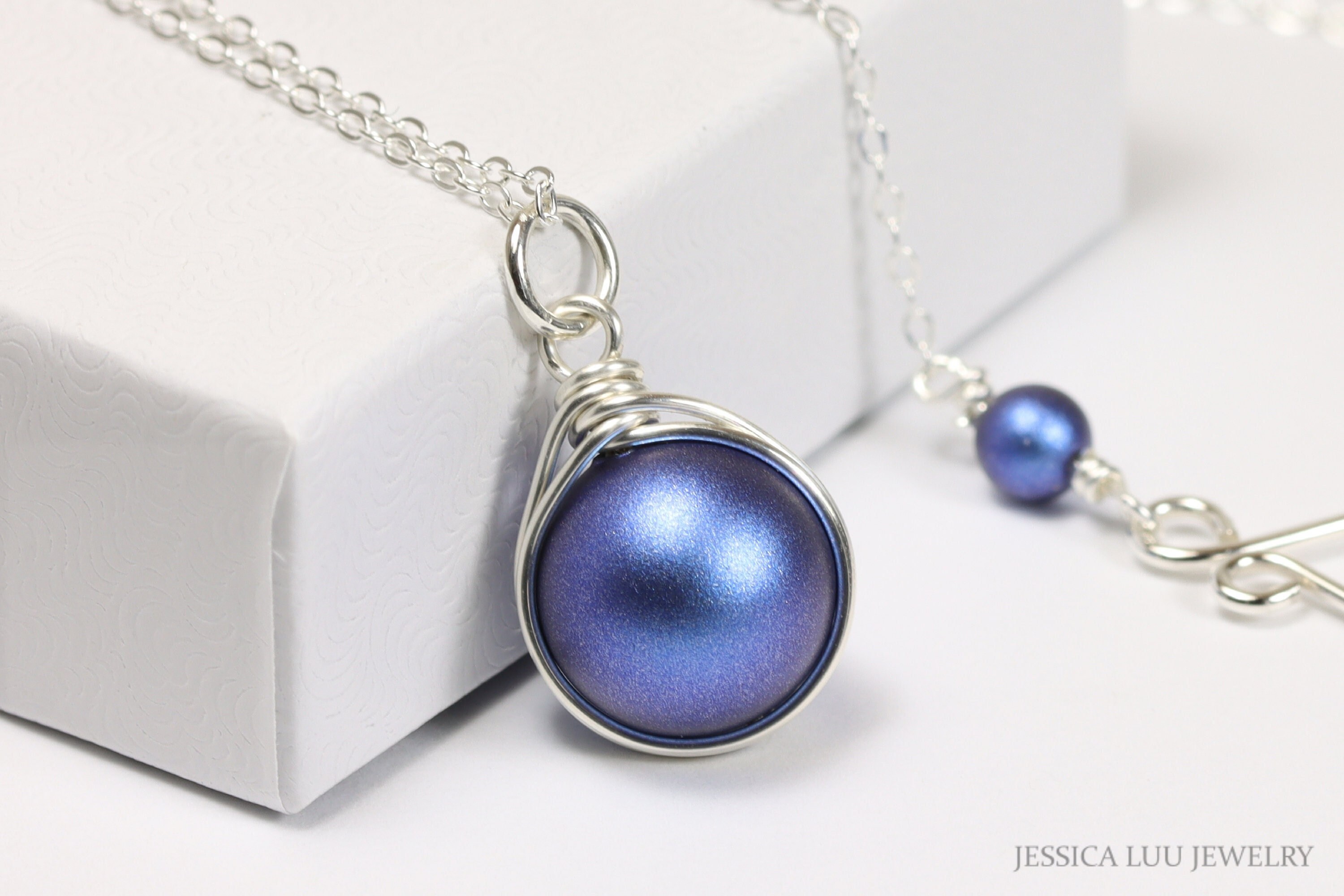
How to Evaluate Estate Jewelry with Expert Tips and Techniques
Evaluating estate jewelry requires a careful approach and an understanding of key factors that impact its value. Whether you’re an enthusiast, a collector, or someone looking to sell inherited pieces, employing expert tips and techniques can help ensure an accurate evaluation. Below is a comprehensive guide to assessing estate jewelry effectively.
Key Factors to Consider When Evaluating Estate Jewelry
- Identify the primary materials used in the piece, such as gold, platinum, silver, or gemstones.
- Check for hallmarks or stamps indicating metal purity (e.g., 18K gold).
- Examine gemstones for quality by assessing their cut, clarity, color, and carat weight.
- Inspect the jewelry’s construction for signs of expert craftsmanship or flaws like uneven settings.
- Look for unique design elements or intricate detailing that may increase the piece’s value.
- Assess wear-and-tear such as scratches, dents, or missing stones. Pieces in excellent condition generally hold higher value.
- Determine if repairs have been made; well-executed restorations may not detract from value but heavily altered pieces might.
- Identify the time period in which the piece was created (Victorian, Art Deco, etc.) as certain styles are more desirable in the market today.
- Recognize hallmark features of specific eras—like geometric designs for Art Deco or floral motifs for Victorian-era jewelry.
- Verify whether gemstones are natural or synthetic by consulting a qualified gemologist if necessary.
- Look for maker’s marks or brand identifiers to confirm authenticity.
Expert Techniques for Accurate Evaluation
- Use a Jeweler’s Loupe: A magnification tool helps you closely examine details like inclusions in gemstones or tiny hallmarks on metal surfaces.
- Perform Research on Comparables: Study auction results and pricing guides to understand how similar pieces are valued in today’s market.
- Leverage Professional Expertise: Seek out licensed appraisers specializing in estate jewelry who can provide thorough assessments.
- Weigh Your Jewelry: Use precise scales to measure the weight of gold or other metals accurately—weight can significantly influence value.
Table: Common Hallmarks and Their Meanings
| Hallmark | Meaning | Example |
| 18K / 750 | 75% pure gold | Found on fine gold rings |
| Pt950 | 95% pure platinum | Often seen in high-end jewelry |
| Sterling / 925 | Sterling silver (92.5% pure) | Silver bracelets & necklaces |
Additional Tips
- Document Provenance: If possible, gather any documentation about the piece’s origin or ownership history as this can enhance its appeal to buyers.
- Photograph Carefully: High-quality images showcasing the piece from multiple angles can assist with online sales evaluations.
- Be Objective: Emotional attachment may cloud your judgment; focus on tangible attributes like material quality and current demand when evaluating a piece.
By combining these techniques with thorough research and professional input where needed, you can make informed decisions about your estate jewelry’s worth while ensuring accuracy during valuations.
The Role of Rarity, Maker, and Materials in Defining Blue Pearl Estate Jewelry Value
Understanding the value of blue pearl estate jewelry requires a nuanced approach that combines an appreciation for rarity, the reputation of the maker, and the quality of materials used. Each of these factors plays a significant role in determining not only the monetary worth but also the sentimental and historical significance of such items.
1. Rarity: A Key Driver of Value
- Natural vs. Cultured Pearls: Natural blue pearls are exceedingly scarce compared to cultured ones, making them far more valuable.
- Color and Luster: The intensity and evenness of the blue hue, combined with a superior luster, can set a piece apart from others.
- Historical Provenance: If an item can be tied to a specific historical period or is part of a limited collection, its rarity—and thus its value—rises considerably.
2. The Maker’s Reputation
- Famous Designers: Names like Cartier or Tiffany & Co. often fetch higher prices due to their craftsmanship and brand equity.
- Artisan Craftsmanship: Pieces created by lesser-known but highly skilled jewelers may also hold tremendous value because of their intricate workmanship.
- Signed Pieces: Jewelry signed by its maker tends to be more desirable than unsigned counterparts.
| Maker Type | Effect on Value |
| Well-known brands | Typically command premium prices |
| Renowned artisans | Often sought after for uniqueness |
| Unsigned pieces | Lower value unless design is rare |
3. Materials Used in Blue Pearl Jewelry
- Akoya Pearls: Known for their high luster but less common in blue tones.
- Tahitian Pearls: Often naturally occurring in darker hues, including blue.
- South Sea Pearls: Larger sizes are prized but less frequently found in blue varieties.
- Precious metals like platinum or 18K gold enhance overall appeal.
- Silver settings may lower value unless uniquely designed.
Material quality directly impacts wearability and longevity, both crucial considerations when appraising estate jewelry.
Summary Table: Key Factors Affecting Value
| Factor | Description | Impact on Value |
| Rarity | Scarcity of natural blue pearls | Increases desirability |
| Maker | Brand reputation or artisan skill | Boosts credibility and prestige |
| Materials | Quality of pearls/metal used | Determines durability and appeal |
Assessing these factors holistically ensures accurate valuation for any piece within the realm of blue pearl estate jewelry while preserving its historical importance and artistic essence.
Navigating Market Trends and Demand for Accurate Blue Pearl Estate Jewelry Valuation
Accurately valuing Blue Pearl estate jewelry requires a deep understanding of current market trends and consumer demand. The market for estate jewelry is dynamic, driven by factors such as cultural preferences, economic conditions, and the rarity of specific materials or designs. To ensure precise valuation, it is crucial to stay informed about these trends while considering several key aspects.
Key Market Trends Impacting Blue Pearl Estate Jewelry Values
- Over the past few years, colored gemstones have surged in demand due to their unique aesthetic appeal and symbolism. Blue pearls, with their rare hue and natural shimmer, are increasingly sought after.
- Sustainable sourcing of pearls has also gained attention from environmentally conscious buyers, further enhancing demand.
- Consumers are gravitating toward vintage or antique pieces that carry historical significance. Older blue pearl estate jewelry with intricate craftsmanship often commands higher prices.
- During periods of economic uncertainty, there may be increased interest in investment-grade jewelry. Pieces featuring high-quality pearls combined with precious metals like gold or platinum tend to hold value well.
- Regional preferences can also play a role in determining value. For instance, in Asia-Pacific markets, pearls are often seen as symbols of purity and prosperity, amplifying their desirability.
Factors Influencing Demand for Blue Pearl Estate Jewelry
- Rarity: Naturally occurring blue pearls are significantly rarer than traditional white or cream-colored pearls. This rarity makes them highly appealing to collectors.
- Craftsmanship: Pieces created by renowned designers or featuring exceptional handcrafting techniques can elevate perceived value.
- Condition: Well-preserved and properly maintained estate pieces with minimal wear typically attract higher bids from buyers.
- Larger blue pearls are generally more valuable because they require longer cultivation times within oysters.
- Symmetrical shapes (e.g., round or near-round) tend to be more desirable than baroque shapes for traditional buyers.
Understanding Supply Chain Trends
| Factor | Impact on Valuation |
| Natural Pearl Harvests | Seasonal variations may limit supply levels |
| Cultured Pearl Availability | Advances in cultivation can increase inventory |
| Ethical Sourcing Certifications | Buyers prioritize ethically sourced materials |
Pro Tips for Accurate Valuation
- Stay updated on auction house sales results for similar pieces.
- Consult gemological reports from reputable labs (e.g., GIA) when appraising pearls.
- Assess current retail pricing trends online or at luxury jewelry stores specializing in estate collections.
By considering both market trends and consumer demand alongside key valuation factors like rarity and craftsmanship, you can navigate the complexities of appraising Blue Pearl estate jewelry with greater confidence and accuracy.