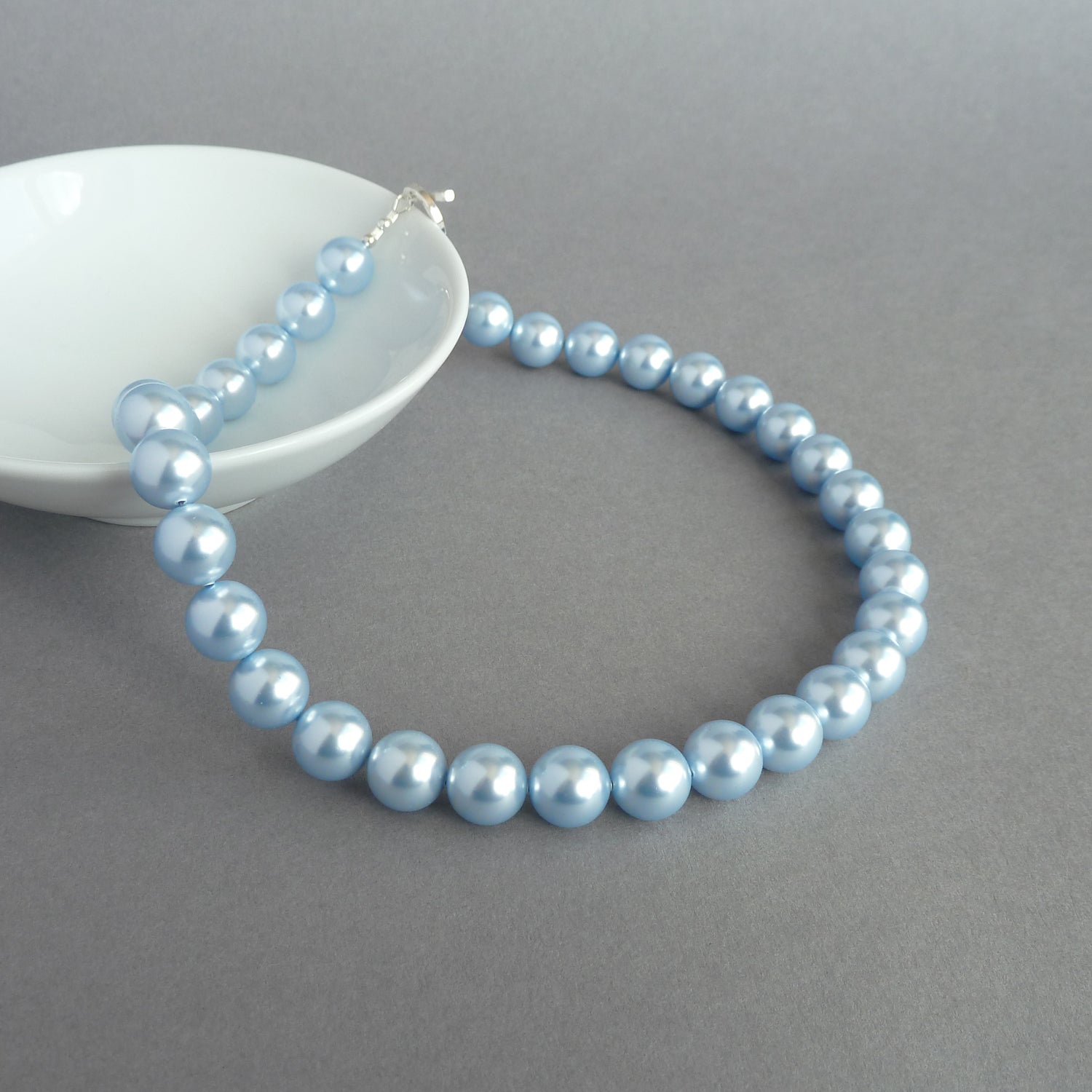
Blue pearls are a rare and captivating type of pearl, celebrated for their enchanting hues and unique attributes. Unlike traditional white or cream-colored pearls, blue pearls stand out due to their distinct coloration, which can range from soft, subtle blues to deep, striking shades. These natural gems are not only prized for their beauty but also for the rarity that makes them a desirable choice for jewelry enthusiasts and collectors alike.
What Are Blue Pearls?
Blue pearls are organic gemstones formed within mollusks (such as oysters or mussels) when an irritant becomes trapped inside the shell. This natural process triggers the secretion of nacre (a combination of calcium carbonate and conchiolin), which layers over time to create the pearl. The blue coloration can occur naturally due to specific environmental factors or genetic characteristics of the mollusk producing the pearl.
There are several sources of blue pearls, including:
– Akoya Pearls: Known for their smaller size and fine luster, some Akoya pearls develop stunning light blue tones.
– Tahitian Pearls: Often called black-lipped pearls, Tahitian varieties can exhibit deep blue shades with overtones of green or gray.
– South Sea Pearls: Although rarer in blue hues, South Sea pearls occasionally display this coloration alongside their signature creamy tones.
Unique Characteristics of Blue Pearls
- Blue is among the rarest colors found in natural pearls.
- Their hues can vary depending on environmental conditions like water temperature and diet of the mollusk.
- High-quality blue pearls often display an iridescent sheen, reflecting light beautifully.
- This luster adds depth to their appearance and enhances their overall elegance.
- Many blue pearls feature secondary overtones such as silver, lavender, or green that contribute to their unique appeal.
- These overtones give each pearl its individual character.
- Each blue pearl is individually shaped by nature, making no two identical.
- Surface imperfections may occur but often add charm rather than detract from value.
Table: Key Attributes of Blue Pearls
| Feature | Description | Importance |
| Color | Ranges from pale sky-blue to rich cobalt | Defines rarity and aesthetic |
| Luster | High-quality nacre creates a luminous surface sheen | Enhances elegance |
| Overtones | Secondary hues like silver or lavender highlight uniqueness | Adds visual depth |
| Size | Typically varies depending on mollusk type | Larger sizes increase value |
| Shape | Rounder shapes are rarer; baroque forms offer distinctive appeal | Impacts desirability |
Overall, blue pearls embody a harmonious combination of rarity, natural beauty, and craftsmanship when used in jewelry pieces such as necklaces, earrings, bracelets, or rings. Their uniqueness lies not only in their striking appearance but also in the organic process through which they are formed—making them timeless treasures revered by collectors worldwide.
How Blue Pearl Valuation is Determined: Key Factors to Know
The value of blue pearls is determined by a variety of factors that contribute to their uniqueness and desirability. From their rarity to physical characteristics, each element plays a vital role in assessing their market price. Below is an in-depth look at these key factors.
1. Rarity
Blue pearls are significantly rarer than other types of pearls, which naturally increases their value. These gems are often found as Tahitian or South Sea pearls, though the distinctive blue hue can also occur in freshwater varieties. Their rarity makes them highly sought after by collectors and enthusiasts alike.
2. Color
The shade and intensity of the blue color greatly influence the pearl’s value. Blue pearls come in a range of hues, from light sky blue to deep peacock tones with overtones of green or silver. Pearls with vivid, evenly distributed colors tend to command higher prices.
Color Grading Table for Blue Pearls
| Shade | Description | Value Impact |
| Light Blue | Soft, pastel tones | Moderate |
| Deep Blue | Rich, intense hue | High |
| Peacock Blue | Multi-tonal (blue with green/silver) | Very High |
3. Luster
Luster refers to the reflective quality and brilliance of a pearl’s surface. A high-luster blue pearl appears bright and mirror-like, which enhances its beauty and value. Dull or chalky surfaces generally decrease a pearl’s worth.
Key aspects influencing luster include: – Nacre thickness: Thick nacre usually results in better luster. – Surface smoothness: Fewer blemishes improve reflectivity.
4. Size
The size of blue pearls significantly affects their pricing structure. Larger pearls are typically more valuable because they are rarer and require longer cultivation periods for oysters to produce them.
Approximate Size-to-Value Correlation
| Pearl Diameter (mm) | Relative Value |
| Under 8mm | Low to moderate |
| 8-10mm | Moderate |
| Over 10mm | High |
5. Shape
While round pearls remain the most valuable due to their symmetry, baroque shapes (irregular forms) can also attract considerable attention among buyers who appreciate unique designs.
Shapes ranked by desirability: – Perfectly round: Premium pricing. – Near-round: Slightly lower but still valuable. – Baroque: Unique appeal but less traditional value.
6. Surface Quality
Surface imperfections such as spots, ridges, or pits impact the overall value of a blue pearl. The fewer blemishes present on a pearl’s surface, the more desirable it becomes.
Standard Grading System for Surface Quality
| Grade | Characteristics |
| Flawless/Very Clean | No visible imperfections |
| Lightly Blemished | Few minor marks |
| Moderately Blemished | Noticeable flaws |
Why These Factors Matter
Understanding these factors allows buyers and collectors to make informed decisions when investing in blue pearls. Additionally, sellers can better communicate the unique qualities that justify a pearl’s price point.
By considering attributes like rarity, color intensity, luster quality, size, shape consistency, and surface appearance together rather than independently, it’s possible to get an accurate assessment of any given blue pearl’s true worth on the market today.

Blue Pearl Appraisal: Understanding Their Value and Unique Qualities
Blue pearls, celebrated for their distinctive hue and mesmerizing luster, hold a revered position in the world of gemstones. Their rarity and beauty contribute significantly to their value. But what exactly determines their worth, and what makes them so special? Let’s delve deeper.
Factors Influencing the Value of Blue Pearls
Several elements influence the market price of blue pearls. Understanding these factors provides insight into why these gems are considered one-of-a-kind.
- Naturally occurring blue pearls are incredibly rare. While many pearls are cultivated in a variety of colors, natural blue pearls from mollusks like the Pinctada margaritifera (black-lipped oyster) stand out for their scarcity.
- Artificially dyed or treated blue pearls exist but do not hold the same value as naturally occurring ones.
- The shade of blue significantly impacts its worth. Pearls with deep, rich hues such as royal or midnight blue often command premium prices.
- Subtle overtones of green or silver that enhance the pearl’s overall appearance are also highly desirable.
- A high-quality blue pearl boasts exceptional luster, creating a mirror-like surface that reflects light beautifully.
- Luster is one of the most important criteria when evaluating any pearl’s quality and directly influences its price.
- Larger pearls are inherently rarer and thus more valuable in most cases.
- Blue pearls exceeding 10-12mm in diameter tend to be especially sought after by collectors and jewelry designers alike.
- Round or near-round shapes often achieve higher prices due to their symmetry and classic appeal.
- Baroque-shaped blue pearls, though irregular, possess a unique charm that can also fetch significant sums depending on individual aesthetic preference.
- The presence (or absence) of blemishes plays a role in valuation. Pristine surfaces free from visible imperfections garner higher prices per carat compared to heavily blemished counterparts.
Why Are Blue Pearls So Unique?
- Symbolism: In various cultures, blue represents calmness, peace, and wisdom. A blue pearl is often associated with tranquility and emotional balance.
- Natural Beauty: Unlike other gemstones that require cutting or polishing to reveal their beauty, pearls come out of mollusks already radiant.
- Versatility: Their unique color allows them to complement an array of jewelry designs from necklaces to earrings without overwhelming other elements.
Typical Price Range for Blue Pearls
| Pearl Type | Size (mm) | Estimated Price Range (USD) |
| Cultured Dyed Blue Pearl | 8-10 | $50-$150 |
| Natural Blue Akoya Pearl | 7-9 | $200-$500 |
| Tahitian Natural Blue Pearl | 10+ | $500-$2,000+ |
These figures vary based on market conditions, origin authenticity certifications, environmental factors impacting production cycles (e.g., climate), and demand trends within the luxury goods sector.
Final Thoughts: Understanding Their Worth
Whether acquired as statement jewelry pieces or cherished as collectibles, blue pearls represent an investment in sophistication and history. Their rarity combined with their innate beauty ensures they remain desirable across generations while maintaining substantial intrinsic value over time.
Discovering the True Blue Pearl Worth: Color, Luster, and Appeal
Blue pearls are celebrated for their mesmerizing beauty, which sets them apart from other pearl varieties. Their distinct characteristics—particularly their unique color and luminous luster—capture the attention of gem enthusiasts and collectors worldwide. Let’s dive deeper into what makes blue pearls so visually captivating and why they hold such universal appeal.
The Color Spectrum of Blue Pearls
The defining feature of blue pearls is, without a doubt, their extraordinary color. Unlike traditional white or cream pearls, blue pearls boast a range of hues that can vary depending on factors such as mollusk species and environmental conditions.
- Shades: Blue pearls are not confined to a single shade; they span a spectrum that includes:
- Pale silver-blue
- Light sky-blue
- Deep cobalt tones
- Greenish-blue with iridescent overtones
- Overtones: Many blue pearls display secondary hues or overtones like pink, lavender, or silver. These overtones add depth to their appearance and contribute significantly to their beauty.
The rarity of natural blue pearls makes these shades even more alluring. The combination of earthy tones and metallic reflections creates an otherworldly aesthetic.
Luster: The Iridescent Glow
Luster—the reflective quality of a pearl’s surface—is another essential characteristic that elevates the appeal of blue pearls. High-quality specimens have a mirror-like finish that reflects light beautifully. This radiance is due to the layers of nacre (the substance secreted by mollusks to form the pearl) being thick and uniform.
- Soft Glow vs. High Shine: Some blue pearls exhibit a subtle gleam that complements their muted colors, while others have an intense brilliance.
- Smooth Surface Reflection: A clean surface enhances the overall luminosity, making imperfections less noticeable.
- Iridescence: Many high-grade blue pearls exhibit iridescence—a phenomenon in which light refracts on the nacre layers to produce subtle rainbow-like effects on the surface.
The Aesthetic Appeal of Blue Pearls
- Uncommon Rarity
Natural occurrences of blue-hued pearls are exceptionally rare since they are influenced by specific genetic traits in certain mollusk species (such as Pinctada margaritifera). Cultured versions imitate this natural beauty but still retain exclusivity due to intricate farming processes. - Versatility in Jewelry Design These gems pair harmoniously with various metals like platinum, white gold, or yellow gold:
- As pendants or earrings for elegant simplicity.
- As strands or chokers for timeless sophistication.
- Incorporation with diamonds or other gemstones for striking modern designs.
- Symbolic Allure Blue is often associated with calmness, wisdom, trustworthiness, and clarity—qualities people gravitate toward when selecting personal adornments or gifts infused with meaning.
| Feature | Description |
| Color Range | Light silver-blue to deep cobalt |
| Overtones | Pink, lavender, greenish hints |
| Luster | Reflective glow with potential iridescence |
| Symbolism | Calmness, wisdom, trust |
Why Collectors Are Drawn In
The interplay between these features makes each blue pearl unique—no two look exactly alike due to variations in hue intensity, nacre thickness, shape irregularities, and overtone patterns. This individuality boosts demand among collectors seeking one-of-a-kind pieces for investment purposes or sentimental value.
When evaluating these distinctive gems’ aesthetic qualities alongside their mystique and versatility in design applications, it becomes clear why they continue to enchant audiences globally while standing as enduring symbols of nature’s artistry at its finest.
Blue Pearl Valuation Insights: Understanding the Impact of Size, Shape, and Surface Quality
When it comes to determining the worth of blue pearls, several critical factors contribute to their valuation. Among these, size, shape, and surface quality play a significant role in defining both their financial and aesthetic value. Each of these attributes adds a unique dimension to the beauty and rarity of blue pearls.
Size: Does Bigger Always Mean Better?
The size of a pearl is one of the most apparent factors in its valuation. Larger blue pearls are generally more valuable because they require more time for the mollusk to develop them. However, size alone isn’t enough; it must be paired with other desirable qualities.
- Common Sizes: Blue pearls typically range from 7mm to 15mm in diameter.
- Value Implications: A larger pearl that also has high luster and excellent surface quality is significantly more valuable than a smaller one with similar characteristics.
- Growth Time: Larger blue pearls take longer to form, making them rarer and thus more desirable.
Shape: Round vs. Unique Forms
The shape of a pearl is another defining element that influences its value. While perfectly round pearls are often considered the gold standard due to their symmetry, non-traditional shapes can also hold substantial value depending on their overall appeal.
- Round Pearls: These remain the most valued due to their uniformity and traditional aesthetic.
- Baroque Pearls: Irregularly shaped or baroque blue pearls are unique in appearance. They offer character and individuality that some collectors highly prize.
- Symmetry Matters: Even for irregular shapes like baroque or drop-shaped pearls, consistent symmetry enhances their desirability.
| Shape Type | Description | Value Driver |
| Round | Perfectly circular | High demand for traditional jewelry designs |
| Baroque | Irregular, organic forms | Unique appeal; often chosen for distinctive statement pieces |
| Drop or Oval | Teardrop or elongated shapes | Popular in earrings or pendants |
Surface Quality: The Importance of Flawlessness
Surface quality refers to how smooth and blemish-free a pearl appears under scrutiny. While minor imperfections are natural in cultured pearls, fewer blemishes typically result in higher values.
Key Considerations:
- Blemishes: Small imperfections such as pits or spots can reduce value if they are noticeable.
- Smoothness: Evenly smooth surfaces with minimal irregularities enhance aesthetics.
- Nacre Thickness: Thicker nacre contributes not only to durability but also to luster—this is especially important for premium-quality blue pearls.
Balancing All Three Factors
- A large but heavily blemished pearl may be less valuable than a smaller one with flawless surface quality and high luster.
- A unique baroque-shaped pearl with thick nacre might fetch higher prices than an average-size round pearl if it’s particularly eye-catching.
By paying attention to these characteristics when shopping for—or evaluating—blue pearls, jewelers, collectors, and enthusiasts alike can better understand what makes these gems captivating treasures that continue to stand out across cultures and markets worldwide.
FAQs About Blue Pearls: Addressing Common Questions About These Gems
Blue pearls are highly sought after for their rare beauty and unique qualities. Below, we address some of the most frequently asked questions surrounding blue pearls to provide clarity for enthusiasts or potential buyers.
What Are Blue Pearls?
Blue pearls are a type of cultured or natural pearl that displays hues ranging from pale baby blue to deep grayish-blue tones. These pearls are often found in freshwater or saltwater environments, with Tahitian and Akoya pearls being among the most notable varieties that exhibit blue shades.
How Are Blue Pearls Formed?
Like all pearls, blue pearls are created when an irritant, such as a grain of sand or other material, enters an oyster or mollusk. The creature then secretes layers of nacre (calcium carbonate) around the irritant. In the case of blue pearls, slight trace elements like manganese influence the coloration of the nacre to produce their distinct hue.
Are Blue Pearls Naturally Occurring?
Yes, blue pearls can occur naturally; however, they are incredibly rare. Most blue-colored pearls on the market today are cultivated (cultured) under controlled conditions that encourage this unique shade.
What Factors Contribute to Their Value?
- Color: The intensity and uniformity of the blue hue significantly impact worth. Pure, vibrant blues typically fetch higher prices compared to grayish or uneven tones.
- Luster: High-quality luster reflects light sharply across the pearl’s surface and enhances its visual appeal.
- Size: Larger-sized pearls tend to command higher value due to their rarity.
- Shape: Symmetrically round shapes are more desirable in traditional markets, although baroque shapes have a distinctive charm for modern designs.
- Surface Quality: Fewer blemishes equate to higher value.
| Factor | Description | Impact on Value |
| Color | Vibrancy and consistency of hue | Higher vibrancy = Higher value |
| Luster | Brightness and reflection | Strong luster = More valuable |
| Size | Measured diameter (mm) | Larger size = Greater worth |
| Shape | Roundness vs irregular form | Round = Traditional appeal |
| Surface Quality | Number/visibility of surface imperfections | Fewer blemishes = Increased price |
Where Can I Purchase Blue Pearls?
Blue pearls can be sourced from reputable jewelers specializing in fine gemstones or online marketplaces offering certified products. It is critical to confirm authenticity through certificates from recognized gemological institutes.
Are There Any Symbolic Meanings Tied to Blue Pearls?
- Calmness: The soft hue is associated with tranquility and peace in several traditions.
- Wisdom: Some believe wearing a blue pearl fosters clear thinking and emotional balance.
- Love & Loyalty: In spiritual contexts, it symbolizes loyalty and trust in relationships.
Understanding these commonly asked questions ensures buyers can make informed decisions about investing in these rare gems while appreciating their intrinsic beauty and cultural significance.
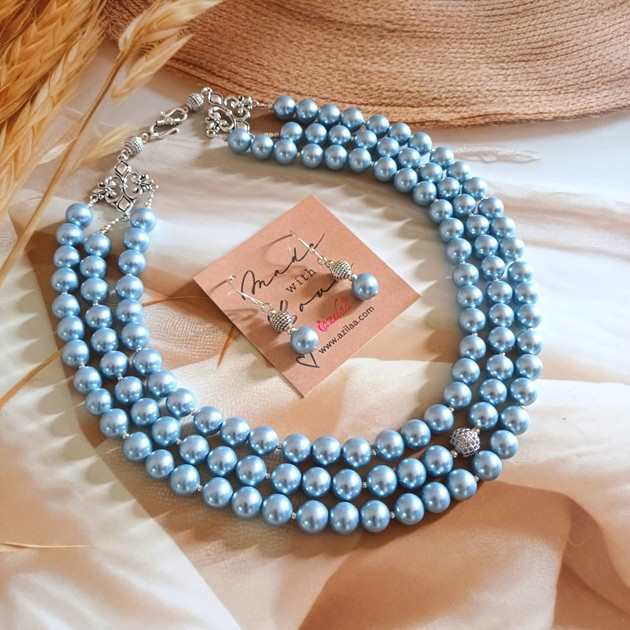
The Symbolism and Spiritual Significance of Blue Pearls in Different Cultures
Blue pearls are not only distinct due to their striking beauty but also because of the profound symbolism and spiritual significance they hold in various cultures around the world. These unique gems have been revered for centuries, with their deep hues often associated with mysticism, wisdom, and tranquility.
Symbolism in Ancient Cultures
- Eastern Traditions:
In many Asian cultures, pearls, including blue ones, symbolize purity and wisdom. The blue color often represents the vastness of the sea and sky, connecting wearers to realms of spirituality and peace. They have been thought to bring serenity to those who wear them. - Western Beliefs:
In Western history, pearls have long been associated with wealth and refinement. Blue pearls specifically were seen as rare treasures symbolizing royalty and power while embodying calmness due to their serene colors. - Polynesian Folklore:
Polynesians believed that blue pearls were gifts from the gods or divine tears that fell into the ocean. According to legends, they were symbols of protection against evil spirits and misfortune.
Spiritual Significance Across Cultures
- Calmness and Serenity: Blue is a universally calming color, often tied to tranquility in spiritual practices. Wearing or meditating with a blue pearl can enhance inner peace.
- Communication and Self-Expression: Connected with the throat chakra in some belief systems, blue pearls are thought to aid clear communication and foster honest self-expression.
- Wisdom and Intuition: The rarity of natural blue pearls alludes to insightfulness—prompting wearers to trust their intuition while seeking deeper truths.
Cultural Associations Table
| Culture/Region | Symbolism Associated with Blue Pearls | Associated Values |
| Ancient China | Wisdom, purity | Enlightenment |
| Polynesian Islands | Protection from evil spirits | Safety |
| Middle East | Mystic connection with water | Emotional depth |
| Western Europe | Royalty and refinement | Power |
Modern Perspectives on Symbolism
- Luxury & Elegance: Their rarity makes them a symbol of sophistication in modern fashion.
- Environmental Awareness: With rising attention on sustainable ocean resources like cultured pearls, owning a blue pearl conveys an appreciation for nature.
By understanding these timeless cultural meanings, one can appreciate not just the aesthetic allure but also the historical richness that accompanies these rare gems. Their significance transcends mere adornment; they carry stories woven across generations.
Final Thoughts on the Timeless Beauty and Elegance of Blue Pearls
Blue pearls are among the most captivating and rare treasures found in the world of gemstones. Their unique appearance, coupled with their symbolic and cultural significance, ensures they remain a timeless choice for jewelry enthusiasts and collectors alike. Below, we delve into what makes these gems so enduringly fascinating.
The Allure of Their Aesthetic Characteristics
Blue pearls are distinguished by their striking hue, which ranges from soft pastel blues to deeper silvery or steely tones. Beyond color, their luster sets them apart; a high-quality blue pearl possesses a radiant sheen that appears almost iridescent under light.
- Color Shades: Variations such as sky blue, silver-blue, or midnight blue offer versatility for different styles and preferences.
- Luster: A mirror-like surface enhances their sophistication and appeal.
- Surface Quality: Fewer blemishes and imperfections result in a cleaner and more refined look.
Symbolism Across Cultures
- In Eastern cultures, they often represent tranquility and inner peace.
- In some Western traditions, blue pearls symbolize loyalty, trustworthiness, and connection to the ocean.
- For many spiritual practices globally, these gems are believed to enhance intuition and communication.
Their universal symbolism underscores why they remain cherished across various traditions.
Timeless Appeal in Jewelry Design
- Their ability to pair seamlessly with other gemstones like diamonds or sapphires.
- A classic yet contemporary aesthetic suitable for both formal occasions and everyday wear.
- The rarity of naturally occurring blue pearls enhances their exclusivity.
A Table Summarizing Blue Pearl Features
| Feature | Description |
| Color | Shades range from light pastel blue to deep steel hues |
| Luster | High-quality luster resembles a glowing sheen |
| Surface Quality | Ideally free from noticeable blemishes |
| Shape Options | Round (most classic), baroque (artistic appeal) |
Caring for Your Blue Pearls
- Store them separately from other jewelry to avoid scratching.
- Avoid exposing them to harsh chemicals found in cleaning products or cosmetics.
- Clean gently with a soft cloth dampened with lukewarm water when needed.
These simple care steps preserve both the physical beauty and long-term value of your pearls.
The allure of blue pearls lies not just in their physical attributes but also in the emotional resonance they evoke—making them an emblem of elegance that transcends trends or time periods. Whether passed down as heirlooms or gifted as tokens of love and appreciation, they hold an irreplaceable place among nature’s finest creations.